 Save to Pinterest
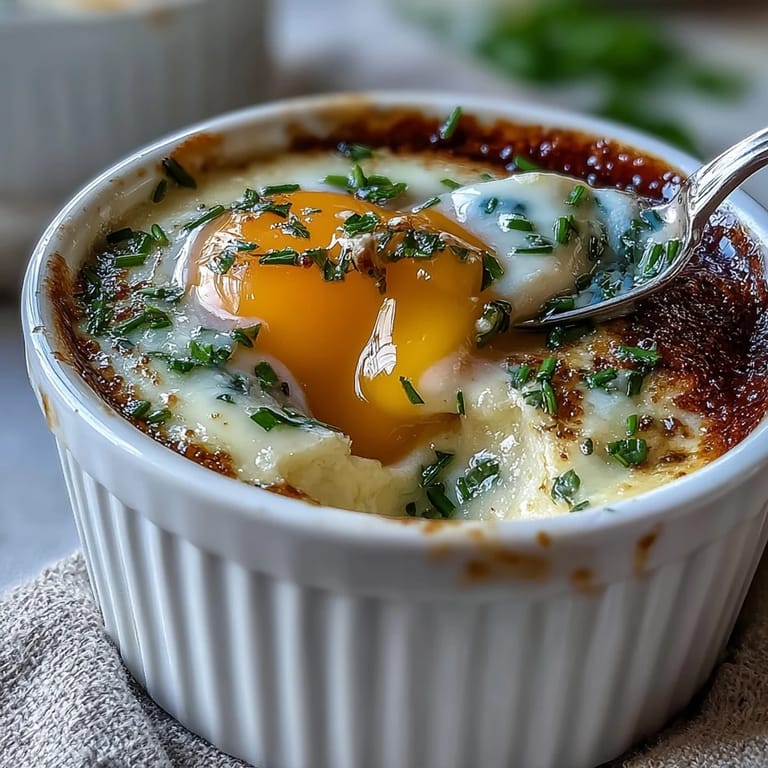
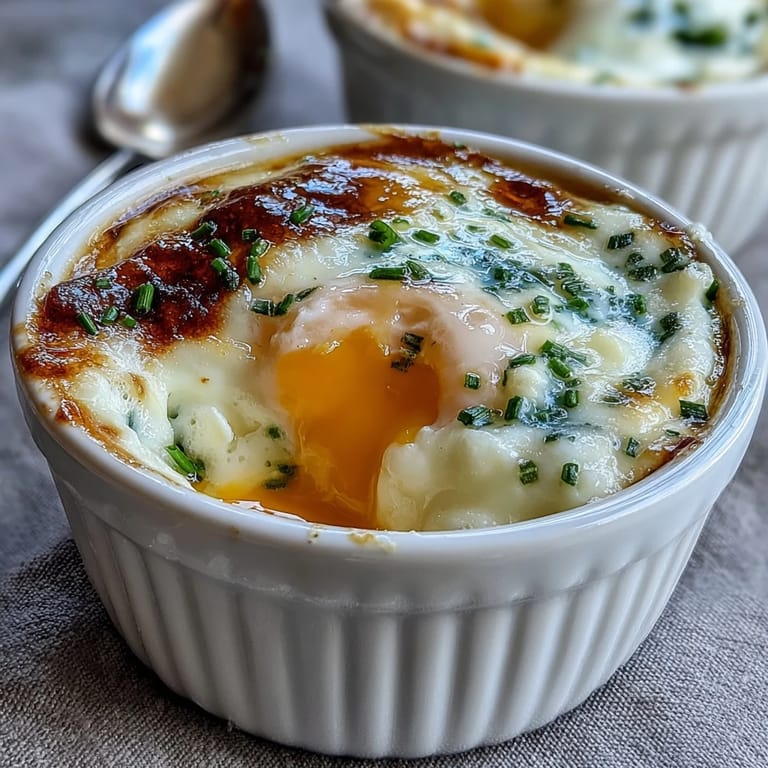
 Steam rose in gentle swirls as I opened the oven, bringing out four ramekins with wobbly eggs hiding beneath a lacy layer of parmesan. The scent lingered: warm cream and herbs, with a buttery edge that made me think of Sundays when time slowed for breakfast. Once, a neighbor wandered in because of that smell—she claimed she could sense the chives from her front steps. These baked eggs aren’t showy, but there’s a quiet delight every time you slip your spoon through the just-set white. Sometimes I swear the moment you break a yolk is as thrilling as the first crocus pushing up after winter.
The first time I made eggs en cocotte for friends was a drizzly Easter morning—we ran out of chairs and someone perched on the counter, but no one seemed to mind with hot ramekins warming their hands. It was the type of meal where people lingered, tearing bread and sharing stories, with herbs from my own little kitchen garden adding a quiet pride. I’d prepped everything by instinct, whisking cream and scattering chives, and was surprised by how it all baked into silk. Now, whenever I see ramekins, I remember the laughter that filled the kitchen in between mouthfuls. That’s the reason I return to this recipe any time I want breakfast to feel like a small celebration.
Ingredients
- Unsalted butter: Essential for greasing the ramekins, and a pat on top adds a glossy finish and subtle richness — I find it also guarantees the eggs won't cling.
- Heavy cream: This bathes the eggs in silkiness; it’s important not to skimp, as it creates the luscious texture you’ll remember.
- Grated parmesan cheese: The sharpness and salty edge mean you don’t need much else—sometimes I swap a little Gruyère for complexity, but parmesan crisps beautifully.
- Large eggs: The star of the show; I bring them to room temperature first for even cooking and creamier yolks.
- Fresh chives and parsley: They brighten each bite—once I used only dried herbs in a pinch and regretted it, so fresh really is worth the effort.
- Fresh thyme leaves: Just a whisper goes a long way, giving a background aroma you don’t even notice until it’s missing.
- Salt and freshly ground black pepper: Don't be shy with pepper; it’s the only kick these gentle eggs need.
- Optional extra herbs for garnish: I finish with a shower of chopped chives or parsley for that little touch that looks restaurant-worthy.
Tired of Takeout? 🥡
Get 10 meals you can make faster than delivery arrives. Seriously.
One email. No spam. Unsubscribe anytime.
Instructions
- Warm things up:
- Preheat the oven to 375°F (190°C), and get your kettle rumbling so hot water is ready for a gentle bake.
- Butter the ramekins:
- Rub each ramekin generously with butter—softened slightly between your fingers so it glides easily, getting into every curve, then set them inside a deep baking dish.
- Create the creamy bed:
- Spoon two tablespoons of heavy cream into each ramekin; sprinkle half the chopped herbs and a pinch of parmesan over the cream so that each scoop looks dotted with green confetti.
- Nestle the eggs:
- Crack two eggs into each ramekin, letting them land gently so the yolks remain intact (sometimes I break a yolk, and it still tastes great).
- Season and sprinkle:
- Add salt and pepper, finish with the rest of the herbs and parmesan, and dot a morsel of butter right on top for extra gloss.
- Prepare the bath:
- Pour the freshly boiled water into the baking dish until it reaches halfway up the ramekin sides—listen for the faint sizzle as the water settles.
- Bake to perfection:
- Slide the dish into the oven and bake for 12–15 minutes, peeking at the whites; you want set whites but yolks that tremble softly (for firmer yolks, add 2–3 minutes).
- Rest and finish:
- Let the little pots stand for a couple of minutes outside the bath before you serve, then scatter extra herbs if you’re feeling fancy.
 Save to Pinterest
  Save to Pinterest
 One late winter evening, I made these eggs for my partner after a long day; the lights were low, and we each had a ramekin, still steaming, as snow dusted the windowsill. As we dipped torn bread into the creamy yolk, conversation ebbed away—the eggs demanded our full attention, and dinner felt quietly special even though we never left our pajamas.
Little Twists You Can Try
Some mornings, I’ll tuck a spoonful of sautéed spinach or a sliver of smoked salmon in the ramekin before adding eggs, depending on what’s hiding in my fridge. Playing with cheeses—Gruyère’s nuttiness or goat cheese’s tang—gives every batch its own character. Once, a friend added a pinch of nutmeg to the cream, and it somehow made the eggs taste more French and fancy, with zero extra effort.
Serving Ideas for Your Table
Eggs en cocotte love good bread: try toasted brioche fingers or crusty sourdough for scooping up the sauce. I’ve also served them with a crisp salad of bitter greens dressed simply in lemon; the contrast makes each bite more interesting. If you’re having a crowd, set ramekins on mismatched saucers for a charming, informal touch.
Getting the Texture Just Right
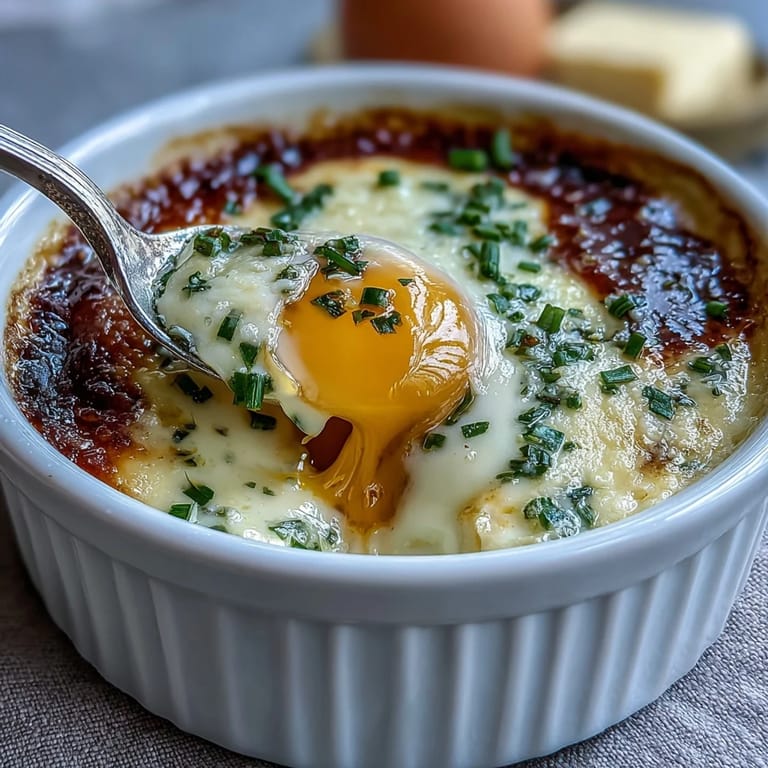
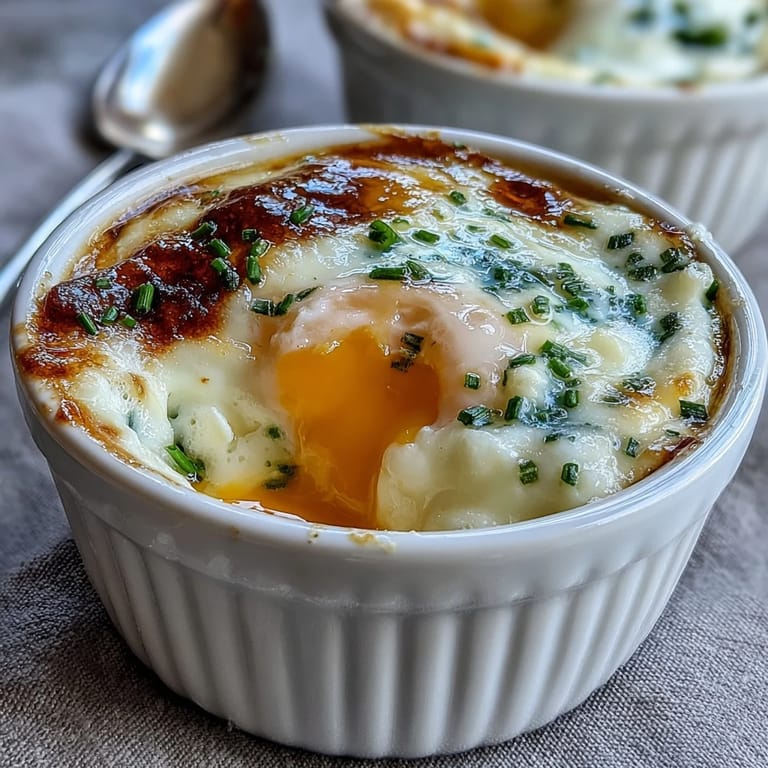
The real trick is the water bath—the hot steam cooks those eggs gently, so you avoid tough whites. It’s tempting to leave them in longer for ‘safety,’ but I pull them when the whites look just opaque. The eggs continue cooking as they rest and, every time, I marvel at how the yolks emerge perfectly molten.
- Let ramekins stand a minute or two after baking so the eggs set just enough.
- Bake on the center oven rack for even heat.
- Trust the jiggle in the center as your best doneness test.
 Save to Pinterest
  Save to Pinterest
 May your next brunch be filled with laughter and that satisfying moment when you crack a spoon into these delicate, steaming eggs. Enjoy them wherever you are—sometimes the best mornings begin with a ramekin of something wonderful.
Recipe Questions & Answers
- → How long should I bake them for runny yolks?
Bake the ramekins in a water bath for 12–15 minutes; whites should be just set while yolks remain soft. Add 2–3 minutes for firmer yolks and always check visually toward the end.
- → Why use a water bath (bain-marie)?
The hot water bath provides gentle, even heat so the custard stays silky and the egg whites cook without becoming rubbery. It prevents overheating around the edges of the ramekins.
- → What can I use instead of heavy cream?
Substitute half-and-half or whole milk mixed with a tablespoon of butter per 1/4 cup for richness. For a tangier finish, try a splash of crème fraîche stirred into the cream.
- → Can I swap the Parmesan for another cheese?
Yes. Gruyère adds nutty depth, goat cheese gives tang and creaminess, and a milder cheddar will brown nicely. If you need vegetarian-friendly cheese, choose one labeled as free from animal rennet.
- → How should I assemble and reheat leftovers?
You can assemble ramekins ahead and refrigerate (covered) for a few hours; bring them closer to room temperature before baking and add a minute or two to the time. Reheat baked portions in a warm oven (325°F/160°C) for 8–10 minutes to avoid overcooking yolks.
- → What are good serving and garnish ideas?
Serve with toasted brioche or crusty bread for dipping. Top with extra chopped chives or parsley. For more substance, add smoked salmon, prosciutto, or sautéed spinach to the bottom of each ramekin.