 Save to Pinterest
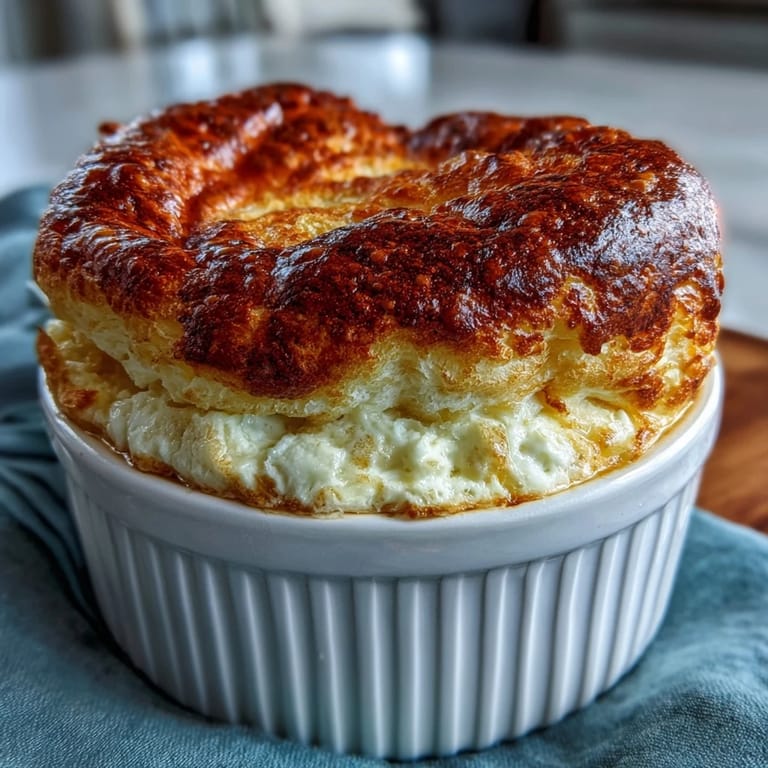
 The crackle of the oven and the intoxicating scent of bubbling cheese always signal that something magical is about to happen in my kitchen. The first time I set out to make a French cheese soufflé, it was more of an act of curiosity than culinary bravado. Watching those tender peaks puff and turn gold, I understood in an instant why this dish is a staple of French comfort food. Light yet decadent, soufflé has a way of drawing people to the table with anticipation. Every batch feels like a little celebration of eggs, cheese, and honest kitchen triumphs.
Last autumn, when rain quietly drummed the windows, I made cheese soufflés for a book club gathering and set the hot dish in the middle of the table. The hush that fell as everyone watched the soufflé settle—then the shared laughter as we scooped out the steaming, airy center—is forever etched in my mind. These small kitchen moments are how recipes become rituals, and why this one keeps returning to my table.
Ingredients
- Unsalted butter: Use good-quality unsalted butter not only for greasing but also in the base; it lets the delicate cheese flavor shine without added salt interference.
- Whole milk: Full-fat milk yields the creamiest base; warming it slightly before adding helps the sauce come together more smoothly.
- Gruyère cheese: Its nutty, complex flavor is classic in soufflé; finely grate it so it melts evenly into the sauce.
- Parmesan cheese: A little on top forms that irresistible golden crust, and a dusting inside the dish adds subtle savoriness to every bite.
- All-purpose flour: Just enough to create a stable roux; sift it to avoid lumps in the béchamel.
- Eggs: Separate carefully; even a spot of yolk can prevent the whites from whipping up as needed.
- Salt, ground white pepper, pinch of nutmeg: These lift and balance the cheese, but don’t overpower—a gentle hand really does make a difference.
Tired of Takeout? 🥡
Get 10 meals you can make faster than delivery arrives. Seriously.
One email. No spam. Unsubscribe anytime.
Instructions
- Prepare the dish:
- Switch on the oven to 400°F (200°C) and generously butter your soufflé dish before dusting with a wintery veil of Parmesan.
- Start the roux:
- Melt butter in a saucepan over medium heat, stir in flour, and cook for a fragrant minute—keep it moving so it stays pale and velvety.
- Make the béchamel:
- With whisk in hand, slowly stream in the milk; keep whisking until the mixture thickens to a soft, glossy paste, about two minutes.
- Add flavor and cheese:
- Remove from the heat, toss in salt, pepper, nutmeg, and grated Gruyère, stirring until it's a smooth, cheesy heaven—let it cool just enough to avoid scrambling the yolks next.
- Blend yolks:
- Drop in the egg yolks, one at a time, mixing until each one disappears before the next arrives.
- Whip the egg whites:
- In a clean, dry bowl, beat the egg whites and a pinch of salt until stiff peaks form; this step feels like magic every time.
- Fold together:
- Gently stir a third of the whites into the cheese mixture to lighten it, then softly fold in the rest, turning the bowl as you go.
- Fill the dish:
- Pour and nudge the batter into your prepared dish, smoothing the top and finishing with a playful sprinkle of Parmesan.
- Oven time:
- Bake in the center of the oven for 22–25 minutes until gloriously puffed and golden; do not yield to temptation by opening the oven.
- Serve hot:
- Straight from the oven, take a second to admire, then spoon out immediately into plates—soufflé waits for no one.
 Save to Pinterest
 I’ll never forget the time a friend showed up unexpectedly with flowers in hand, mid-bake, and we ended up sharing the soufflé right from the dish by the stovetop. That day, the meal became a spontaneous celebration, proving that the best culinary memories rarely stick to a script—they rise up, golden and airy, just like the soufflé itself.
The Importance of Egg Whites
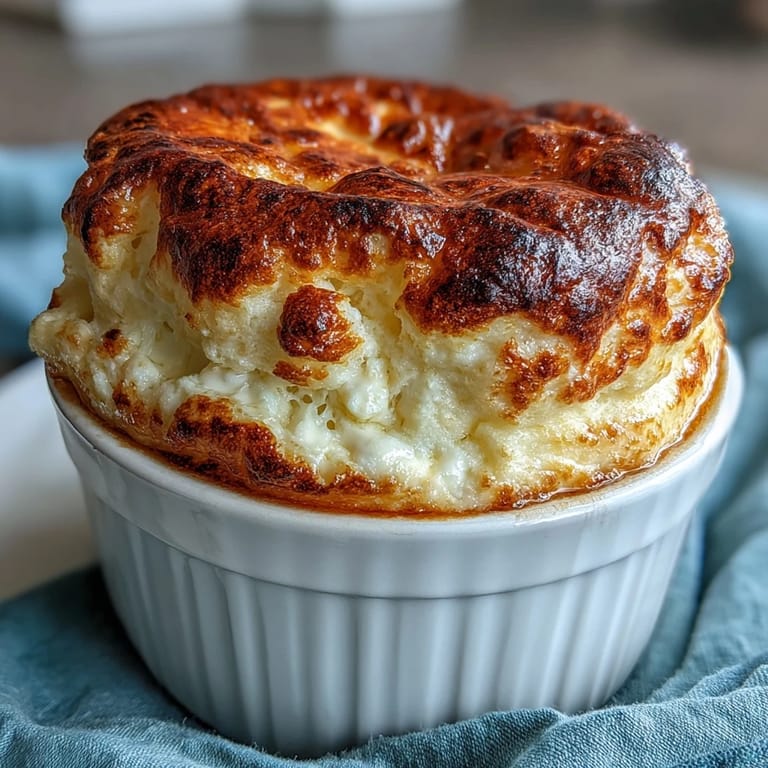
Achieving stiff, glossy peaks is half the battle in any soufflé; if in doubt, start with impeccably clean, dry equipment and room-temperature eggs. Watching as the whites transform feels a little bit like culinary alchemy, and they hold the secret to that signature rise.
Getting a Golden Crust
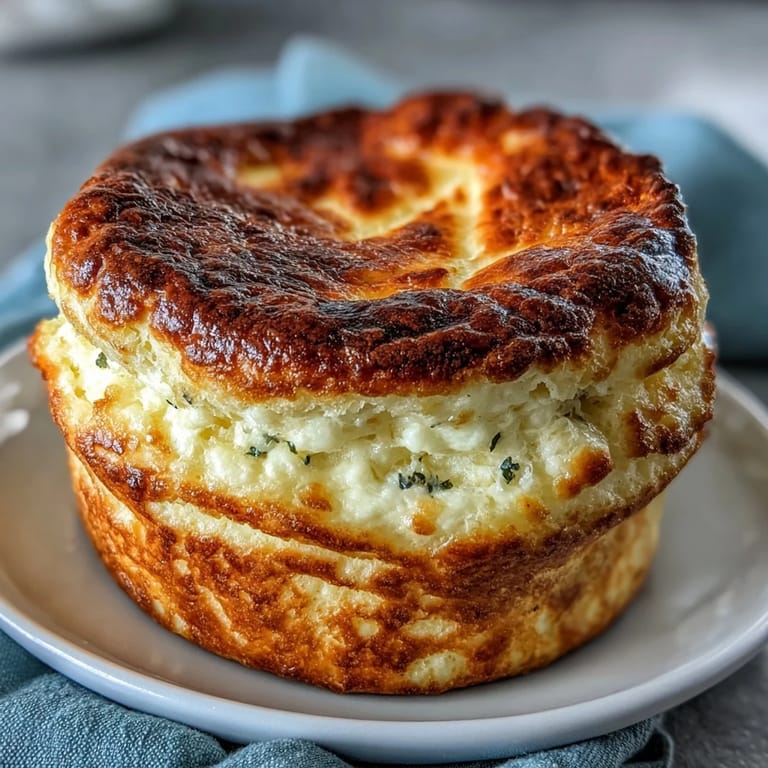
Dusting the buttered dish with Parmesan adds not only extra flavor but also a gentle texture contrast to the airy center. The cheese forms a delicate crust that signals when your soufflé is perfectly baked and ready for the spotlight.
Making It Your Own
Once you have the method down, it’s fun to fold in surprises—a handful of chopped chives or crumbled blue cheese changes the whole mood. Soufflé encourages playful experimentation as long as you honor the airy structure at the heart of the recipe.
- Gently fold to keep the batter light.
- Grease and dust the dish generously so nothing sticks.
- Bake immediately after combining to get the best rise.
 Save to Pinterest
 Serve this soufflé with good friends or a quiet morning to yourself, and let its warmth fill your kitchen with delight—simple moments, well savored. No need for perfection; the rise (and the smiles) are reward enough.
Recipe Questions & Answers
- → How do I prevent a soufflé from deflating?
Serve immediately after baking and avoid opening the oven door during cooking for best lift and structure.
- → What type of cheese works best?
Gruyère and Parmesan are classic, but aged cheddar or blue cheese add extra depth if desired.
- → Can I prepare the mixture ahead of time?
For best results, bake as soon as the mixture is combined to maintain optimal rise and texture.
- → Is it suitable for vegetarians?
Yes, this dish is fully vegetarian, containing no meat or fish ingredients.
- → What can I serve alongside?
Pair with crisp green salads, roasted vegetables, or a lightly oaked Chardonnay for a balanced meal.