 Save to Pinterest
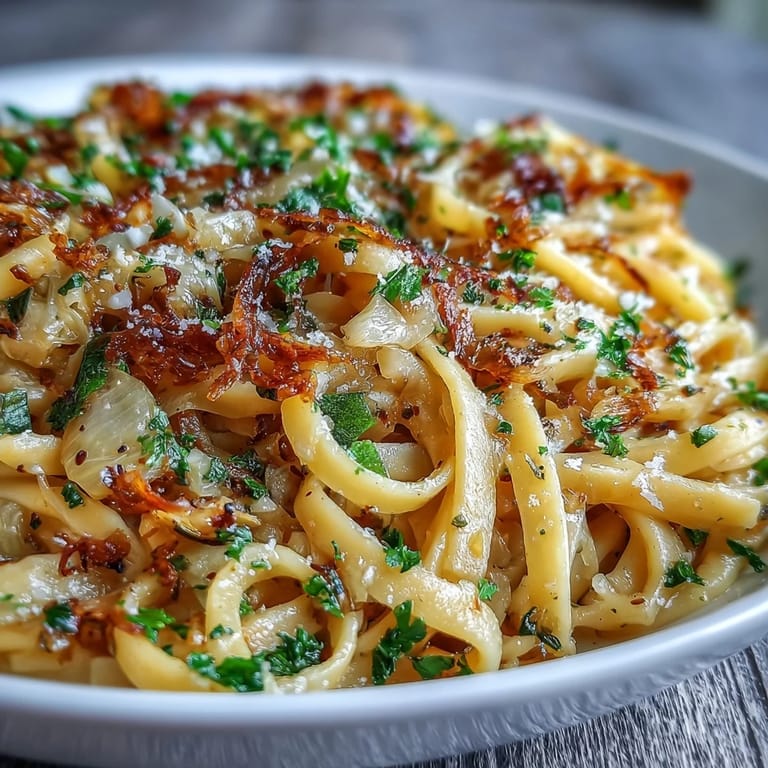
 My neighbor Marco stopped by one autumn evening with a bag of fresh cabbage from his garden, and I had nothing but pasta in the pantry and a block of Parmesan wedged behind the butter. He watched skeptically as I started slicing that cabbage into ribbons, but by the time the kitchen filled with the smell of it turning golden and nutty in the pan, he was already pulling up a chair. That simple dinner taught me that the best meals often come from having almost nothing and knowing what to do with it.
I made this for my sister during a particularly gray January when she needed comfort food but swore she was tired of her usual rotation. She sat at my kitchen counter eating directly from the bowl, not even bothering with a plate, and that's when I knew this recipe had become something I'd make again and again. The simplicity of it felt like a small gift, something I could offer on difficult days or celebrate with on good ones.
Ingredients
- Spaghetti or linguine (12 oz / 340 g): Long pasta works best here because it tangles with the cabbage ribbons beautifully; reserve that starchy pasta water before draining, it's what makes the sauce cling.
- Green cabbage (1 medium head, about 1½ lbs / 700 g): Slice it thin enough to caramelize quickly but thick enough to hold together, and don't skip the coring step or you'll end up with tough pieces.
- Olive oil and unsalted butter (2 tablespoons each): This combination gives you the richness of butter with the smoke point of oil, which matters when you're coaxing the cabbage to golden.
- Garlic cloves (4, thinly sliced): Slice them thin so they cook evenly and scatter throughout the dish; thick pieces turn bitter and mean.
- Crushed red pepper flakes (½ teaspoon, optional): I rarely measure this exactly because it depends on your heat tolerance, but it adds a whisper of warmth that makes people ask what the secret ingredient is.
- Freshly ground black pepper (½ teaspoon): Grind it fresh if you can; pre-ground tastes dusty against the silky pasta.
- Fine sea salt (¾ teaspoon, plus more to taste): Start conservative and taste as you go, the Parmesan brings saltiness too.
- Freshly grated Parmesan cheese (1 cup / about 60 g, plus extra): Block cheese tastes completely different from pre-grated; the pre-grated stuff has anti-caking agents that get weird when heat hits them.
- Fresh parsley and lemon zest (optional): These aren't essential but they're the difference between a weeknight meal and something that feels intentional.
Tired of Takeout? 🥡
Get 10 meals you can make faster than delivery arrives. Seriously.
One email. No spam. Unsubscribe anytime.
Instructions
- Boil the water and pasta:
- Fill a large pot with water, salt it generously until it tastes like the sea, then bring it to a rolling boil. The pasta goes in when you see big bubbles breaking the surface, and you'll cook it until it has just a little resistance when you bite it. Before you drain it, scoop out 1 cup of that cloudy water and set it aside; you'll need it later.
- Start the cabbage magic:
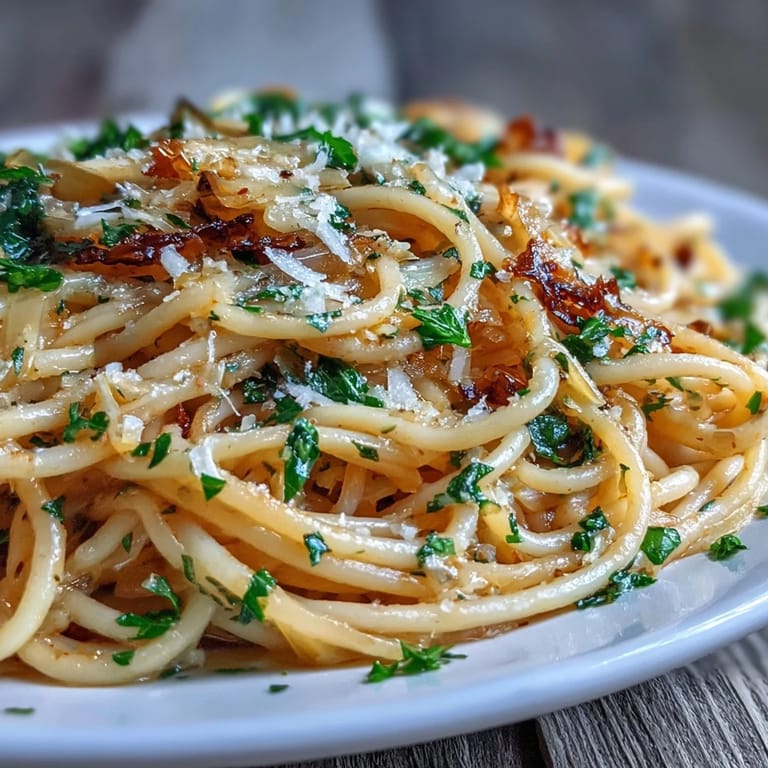
- While the pasta is cooking, get a large skillet over medium heat and add the olive oil and butter together. Once the butter stops foaming and smells nutty, add all that sliced cabbage with a pinch of salt and let it sit for a minute before you stir. Every 2 or 3 minutes, give it a good stir, and watch as it slowly transforms from bright green to golden brown and tender, which takes about 12 to 15 minutes.
- Build the aromatics:
- When the cabbage looks caramelized and you can smell its sweetness, scatter in the garlic slices and red pepper flakes if you're using them. Stir constantly for just a minute or two so the garlic perfumes everything without turning bitter or brown.
- Bring it all together:
- Add your drained pasta to the skillet with the cabbage and toss everything so each strand gets coated. If it looks dry, pour in some of that reserved pasta water, a splash at a time, until you have something that moves together like a loose, silky mass.
- Finish with cheese and seasoning:
- Stir in the grated Parmesan and black pepper, then taste a bite and decide if it needs more salt or heat. Some nights my cabbage is sweeter and needs extra salt; other nights I want more pepper, so trust what your mouth tells you.
- Plate and garnish:
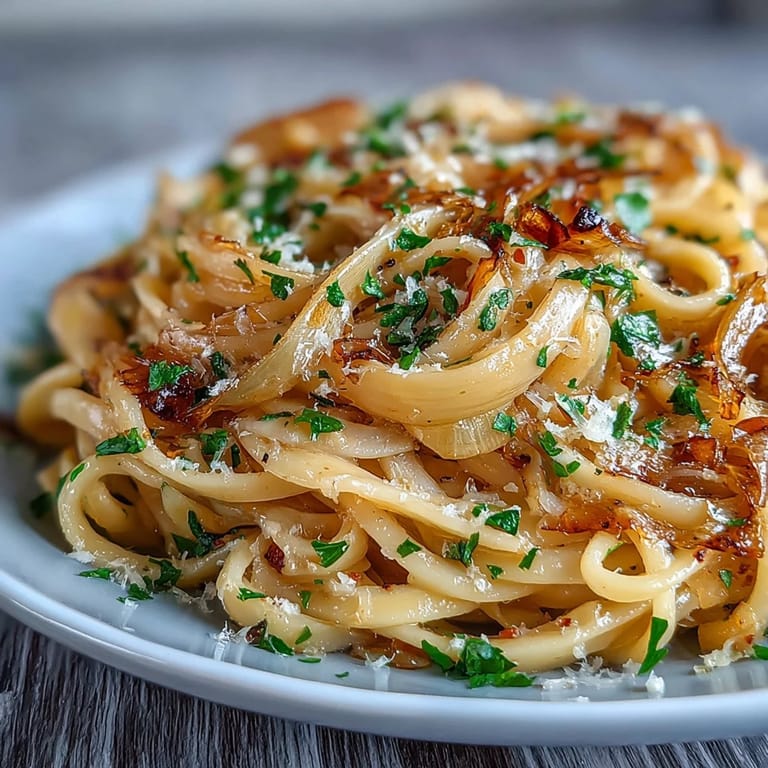
- Serve this right away while it's hot, scattered with parsley and lemon zest if you've got them, and always with extra Parmesan on the side for people to add as they like.
 Save to Pinterest
 There's something about cooking cabbage that changes how people think about it, and I've watched skeptics become believers at my table. This pasta isn't fancy or trendy, but it's the kind of meal that makes you want to sit down and eat slowly, and that's its own kind of magic.
The Art of Caramelizing Cabbage
Caramelization isn't really about temperature or time; it's about patience and stirring. When you cook cabbage slowly in fat, the natural sugars break down and develop these deep, complex flavors that taste nothing like raw cabbage. The key is medium heat and regular stirring, letting each layer get golden before you push it around the pan again. If you rush this step, you get limp, steamed cabbage with a bitter edge; if you do it right, you get something that tastes almost sweet and nutty, like it's been roasted.
Pasta Water as Your Secret Weapon
That starchy water you reserved isn't just for thinning things out; it's what transforms a dry mix of pasta and vegetables into something with a real sauce. When you stir it in, the starch coats every strand and helps the Parmesan and butter create a silky emulsion that clings to everything. I learned this the hard way by forgetting to save the water and ending up with a dry, disappointing plate, so now I pour it into a glass before I even touch the colander.
Variations and When to Try Them
This recipe is a foundation, not a rulebook, and I've played with it in different seasons and moods. Some nights I add a handful of toasted breadcrumbs for crunch, other times I'll toss in some pine nuts or walnuts at the end. If I'm feeling adventurous, I'll swap the Parmesan for Pecorino Romano, which adds a sharper, more assertive flavor that wakes everything up. The lemon zest is optional, but I almost always add it because those bright notes cut through the richness and make the whole dish feel lighter.
- Toasted breadcrumbs or chopped walnuts add texture and a roasted depth that complements the caramelized cabbage beautifully.
- A splash of white wine in the pan before adding the pasta brings acidity that balances the richness of the cheese.
- Red cabbage works too, though it turns the pasta purple and adds a slightly more mineral flavor.
 Save to Pinterest
 This is the kind of recipe I come back to when I want to cook something that feels both simple and thoughtful. It's proof that you don't need a long ingredient list or complicated techniques to make something delicious and memorable.
Recipe Questions & Answers
- → Can I use a different type of pasta?
Yes, any long pasta like fettuccine, pappardelle, or even short shapes like penne work well. Just adjust cooking time according to package instructions.
- → How do I know when the cabbage is properly caramelized?
The cabbage should be golden brown at the edges, tender throughout, and reduced in volume. This typically takes 12-15 minutes over medium heat with occasional stirring.
- → Can I make this dish ahead of time?
While best served fresh, you can prepare the caramelized cabbage up to 2 days ahead. Store refrigerated and reheat gently before tossing with freshly cooked pasta.
- → What can I substitute for Parmesan cheese?
Pecorino Romano offers a sharper, saltier flavor. For dairy-free options, use nutritional yeast or vegan Parmesan alternatives.
- → How can I add more protein to this dish?
Top with grilled chicken, sautéed white beans, or crispy pancetta. You can also toss in cooked Italian sausage for a heartier meal.
- → Why is pasta water important for this dish?
The starchy pasta water helps create a silky coating that binds the cabbage, garlic, and cheese together, preventing the dish from being dry.