 Save to Pinterest
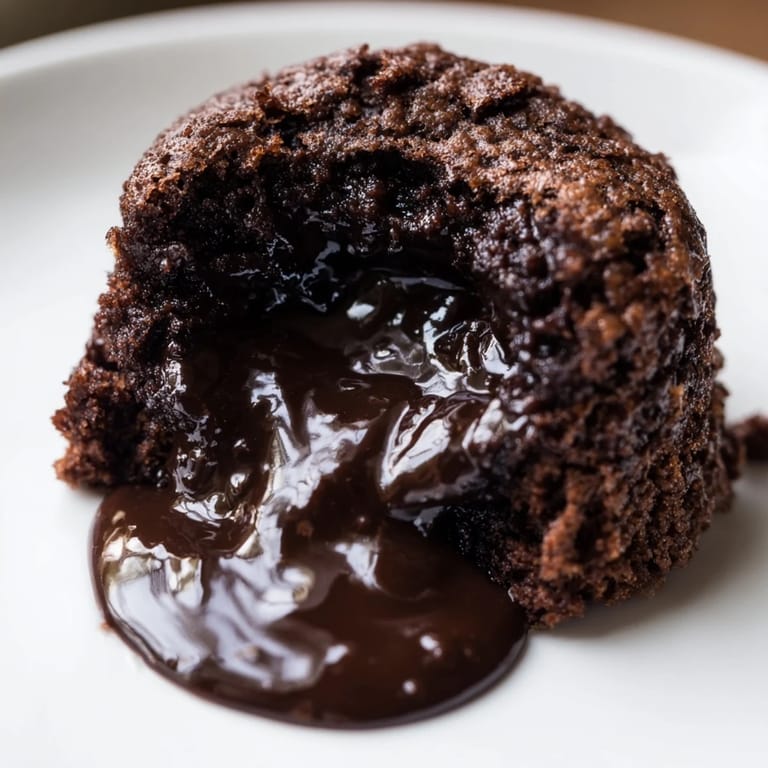
 I discovered this brownie pudding on a rainy afternoon when I was determined to impress someone who claimed they didn't have a sweet tooth. The moment I pulled it from the oven and watched the spoon sink into that warm, molten center, their skepticism melted away faster than the chocolate. That dessert taught me that sometimes the most memorable dishes are the ones that contradict expectations, delivering both elegance and indulgence in a single bite.
I made this the night before my brother came home after months away, and I remember standing in my kitchen at 11 p.m., listening to the oven hum while steam rose from the water bath. When he walked in the next evening, the smell of dark chocolate and butter still lingered in the air like a welcome home in itself. We ate it straight from the baking dish with two spoons, not bothering with bowls, and for once nobody minded the mess.
Ingredients
- Unsalted butter: Use good quality butter, as its richness forms the foundation of everything that follows.
- Semisweet chocolate, chopped: Chop it yourself from a block if you can; it melts more evenly than chips and tastes noticeably better.
- Large eggs, at room temperature: Cold eggs won't incorporate properly, so let them sit on the counter for a bit while you prep.
- Granulated sugar: The beating time matters more than you'd think; it's what creates that ribbon-like texture that keeps the pudding tender.
- All-purpose flour: Less flour means a fudgier center, so don't pack it when measuring.
- Unsweetened cocoa powder: Sift it with the flour to avoid lumps that feel gritty on the tongue.
- Vanilla extract: A good vanilla lifts the chocolate without announcing itself.
- Kosher salt: A small pinch makes chocolate taste more chocolatey, somehow.
- Vanilla ice cream or whipped cream: The cold contrast against warm pudding is non-negotiable.
Tired of Takeout? 🥡
Get 10 meals you can make faster than delivery arrives. Seriously.
One email. No spam. Unsubscribe anytime.
Instructions
- Melt the chocolate and butter together:
- Set a heatproof bowl over simmering water and stir the butter and chopped chocolate until completely smooth and shiny. You'll know it's ready when you see no streaks of unmixed chocolate.
- Whip eggs and sugar until ribbony:
- This isn't a step to rush. Beat on medium-high for a full 5 to 10 minutes until the mixture is pale, thick, and leaves a ribbon trail when you lift the beaters. This is what keeps the center from becoming dense.
- Fold in the chocolate gently:
- Once the chocolate has cooled slightly, pour it into the egg mixture on low speed, then let it just combine. Overmixing at this point can deflate all that air you just worked to incorporate.
- Fold in flour and cocoa without deflating:
- Sift the flour and cocoa together, then use a spatula to fold everything together in a few gentle, deliberate motions. You're protecting the airiness of the batter.
- Set up the water bath:
- Pour the batter into a buttered dish and nestle it in a larger roasting pan. Pour hot tap water until it reaches halfway up the sides; this gentle, humid heat creates the pudding layer that makes this dessert magical.
- Bake until the top cracks but the center wobbles:
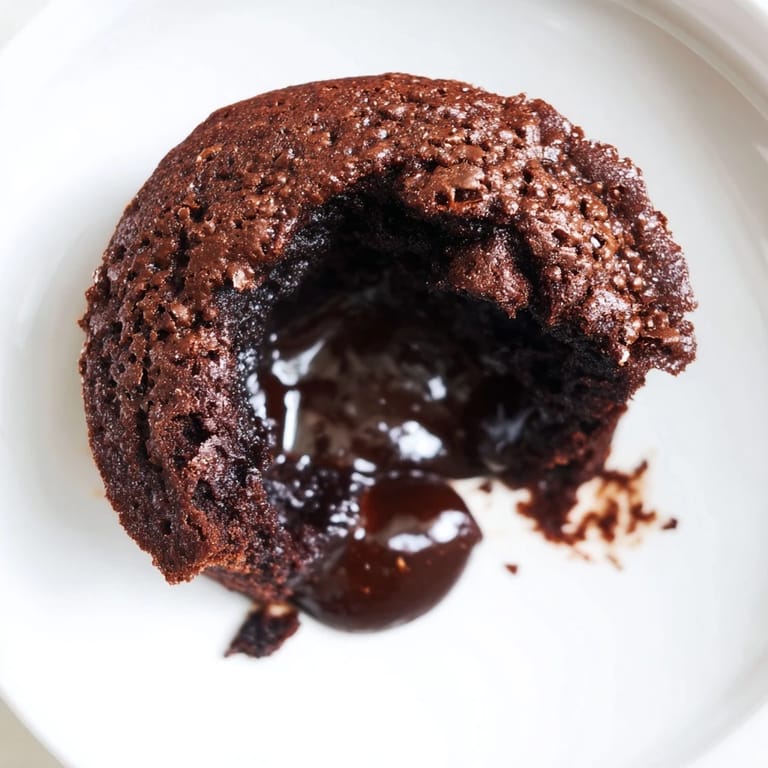
- At one hour, the top will be set with a crackly surface, but the center should still jiggle slightly when you gently shake the pan. This is the critical moment—resist the urge to bake longer.
- Let it rest before serving:
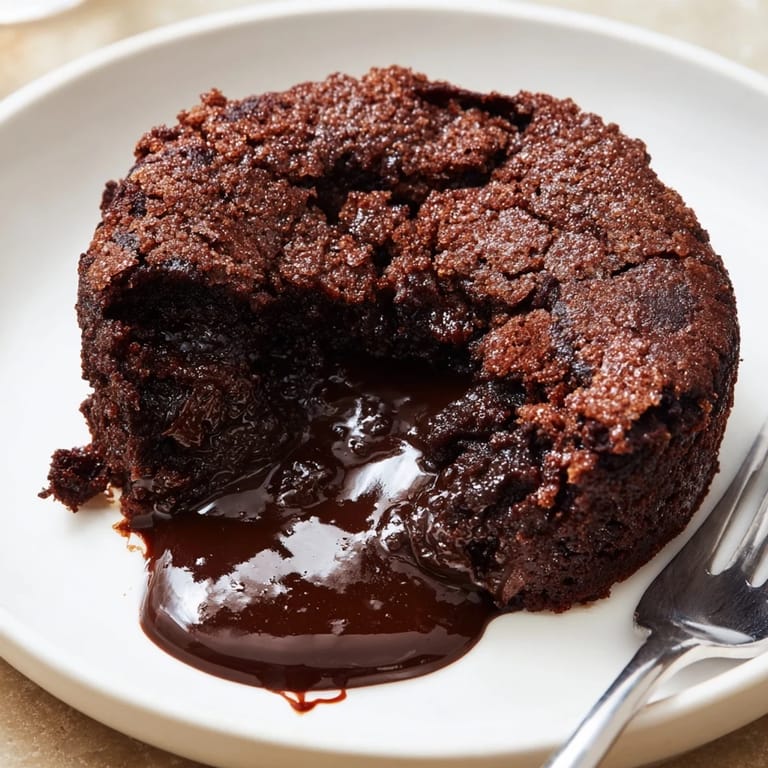
- Give it at least 15 minutes to set up slightly so it holds together on a spoon. Serve it warm, never cold, ideally with something cold on the side.
 Save to Pinterest
 There's something humbling about how often I've offered this to people who say they're "not really chocolate people," only to watch them ask for seconds. It's become my dessert of choice when I want to feel like I've given someone something that matters, not just something sweet.
The Water Bath Method
The water bath is the secret to this dessert's texture. It creates a gentle, even heat that cooks the edges while keeping the center soft and custardy. Without it, the edges would set too quickly and the center would either remain too raw or bake all the way through. I learned this the hard way the first time I skipped it, thinking I could save ten minutes of setup. The result was more brownie than pudding, and I've never made that mistake again.
Flavor Depth and Customization
If you want to push the chocolate flavor into darker, more complex territory, swap some or all of the semisweet chocolate for bittersweet. I sometimes add just a pinch of espresso powder to the melted chocolate—so little that nobody can name what they're tasting, but enough that the chocolate flavor deepens and becomes almost addictive. A whisper of almond extract in place of half the vanilla is another direction I've loved exploring.
Serving and Storage
This dessert is at its best served warm, within an hour or two of coming out of the oven. The pudding layer is most pronounced then, and the contrast between the warm chocolate and cold ice cream is perfect. It can be covered and refrigerated for a day, and reheating a single serving in the microwave for 20 to 30 seconds brings back much of the warmth and softness, though it's never quite the same as fresh.
- Serve warm every time, never cold from the fridge.
- A tiny pinch of fleur de sel on top right before serving adds an unexpected sophistication.
- Double the recipe and freeze the whole baking dish unbaked, then add 15 to 20 minutes to the bake time when cooking from frozen.
 Save to Pinterest
 This brownie pudding has become my answer to almost every dessert occasion, because it's forgiving, impressive, and genuinely delicious. There's something deeply satisfying about presenting something this elegant that feels more like an act of generosity than work.
Recipe Questions & Answers
- → How do I achieve the molten center in this dessert?
Baking the batter in a water bath at a moderate temperature gently cooks it, creating a crackly exterior while keeping the center soft and gooey.
- → Can I use different types of chocolate?
Yes, bittersweet chocolate can be used for a deeper flavor. Adding espresso powder can also enhance the chocolate notes.
- → What is the purpose of beating the eggs and sugar until ribbon-like?
Beating eggs and sugar until thick and pale incorporates air, giving the dessert a light texture despite its richness.
- → Is a water bath necessary for baking?
The water bath ensures even, gentle cooking that prevents the edges from drying while maintaining a soft center.
- → What are suggested serving options?
Serving warm with vanilla ice cream or lightly sweetened whipped cream complements the rich chocolate and adds contrast.