 Save to Pinterest
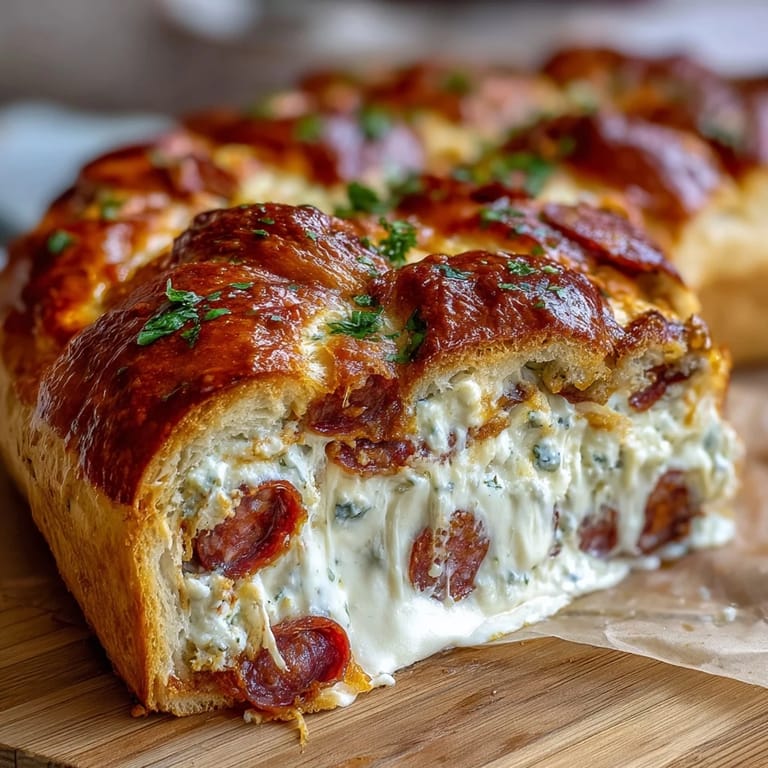
 My aunt pulled this golden pie from her oven on Easter morning, and the kitchen filled with this wonderful smell of butter, cheese, and salami that made everyone stop talking. She'd learned it from her grandmother in Naples, and watching her assemble it with such confidence—the way she crimped those edges, how she knew exactly when the filling was right—made me understand why certain dishes become family treasures. This Italian Easter Pie isn't fancy or complicated, but it feels like a celebration in every bite.
I made this for a brunch potluck once when I was nervous about contributing something substantial, and it became the dish people actually finished. One guest asked for seconds before everyone else had sat down, which felt like the highest compliment in a room full of ambitious cooks.
Ingredients
- All-purpose flour (2 1/2 cups): The foundation for a tender, flaky pastry that actually feels homemade because it is, so don't skip the chilling step or rush the butter into the flour.
- Cold unsalted butter (1/2 cup): Cold is the secret word here, as warm butter makes the crust tough and dense instead of light and crispy.
- Salt (1/2 teaspoon for pastry, 1/2 for filling): This brings out all the other flavors, especially important since the filling has so many competing tastes.
- Eggs (4 large for filling, 2 for pastry, 1 for wash): They bind everything together and create that custardy texture that makes this pie special.
- Cold water (2–3 tablespoons): Add it slowly and stop as soon as the dough comes together, because too much water ruins the whole thing.
- Whole-milk ricotta cheese (2 cups): Drain it well in a fine mesh strainer for at least 15 minutes, or the filling becomes watery and the pastry gets soggy.
- Heavy cream (1/2 cup): This adds richness and prevents the filling from being too dense, making each slice creamy rather than rubbery.
- Parmigiano-Reggiano cheese (1 cup grated): The real stuff makes a difference here, giving you that sharp, nutty depth that supermarket imitations can't match.
- Italian salami (1 1/2 cups diced): The size of the dice matters more than you'd think, as too-large pieces feel chunky while too-small pieces disappear into the filling.
- Mozzarella cheese (1 cup shredded): This melts and softens the overall texture, balancing the sharper Parmigiano-Reggiano.
- Fresh parsley (1/4 cup chopped): A handful of green makes the filling taste fresher and less heavy, even though it seems like a small addition.
- Ground black pepper and nutmeg (1/2 and 1/4 teaspoon): The nutmeg is what catches people off guard in the best way, adding a subtle warmth they can't quite identify.
Tired of Takeout? 🥡
Get 10 meals you can make faster than delivery arrives. Seriously.
One email. No spam. Unsubscribe anytime.
Instructions
- Preheat and prepare your pan:
- Set your oven to 375°F and grease a 9-inch springform or deep pie pan so thoroughly that nothing will stick when it's hot and bubbling. Having your workspace ready before you start mixing makes the whole process feel less chaotic.
- Make the pastry dough:
- Combine flour and salt, then cut in the cold butter with a pastry cutter or your fingertips until it looks like coarse breadcrumbs with some pea-sized pieces still visible. Add the eggs and just enough cold water to bring it together into a soft, shaggy dough, then wrap it and chill for 20 minutes while you prepare the filling.
- Roll and line the pan:
- Take about two-thirds of the dough and roll it into a circle large enough to line your pan with some overhang. Don't worry if it tears slightly, as you can patch it with scraps, and the filling will cover any imperfections.
- Combine the filling:
- In a large bowl, whisk together the drained ricotta, eggs, and heavy cream until smooth and creamy. Fold in the Parmigiano-Reggiano, mozzarella, parsley, salt, pepper, and nutmeg, then gently stir in the diced salami until evenly distributed throughout.
- Fill and top:
- Pour the creamy filling into the pastry-lined pan and smooth the top with a spatula. Roll out the remaining pastry, cut it into even strips about 1/2 inch wide, and arrange them in a lattice pattern over the top, then trim and crimp the edges where they meet the pan.
- Egg wash and bake:
- Brush the lattice strips and crimped edges with beaten egg to give them a beautiful golden sheen, then bake for 55 to 60 minutes until the crust is golden brown and the filling is set but still slightly jiggly in the very center. If the edges brown too quickly, cover them loosely with foil partway through baking.
- Cool before serving:
- Let the pie cool for at least 30 minutes before slicing, as cutting it warm will cause it to fall apart no matter how careful you are. It's even better at room temperature, when all the flavors have settled and the texture becomes less custardy and more substantial.
 Save to Pinterest
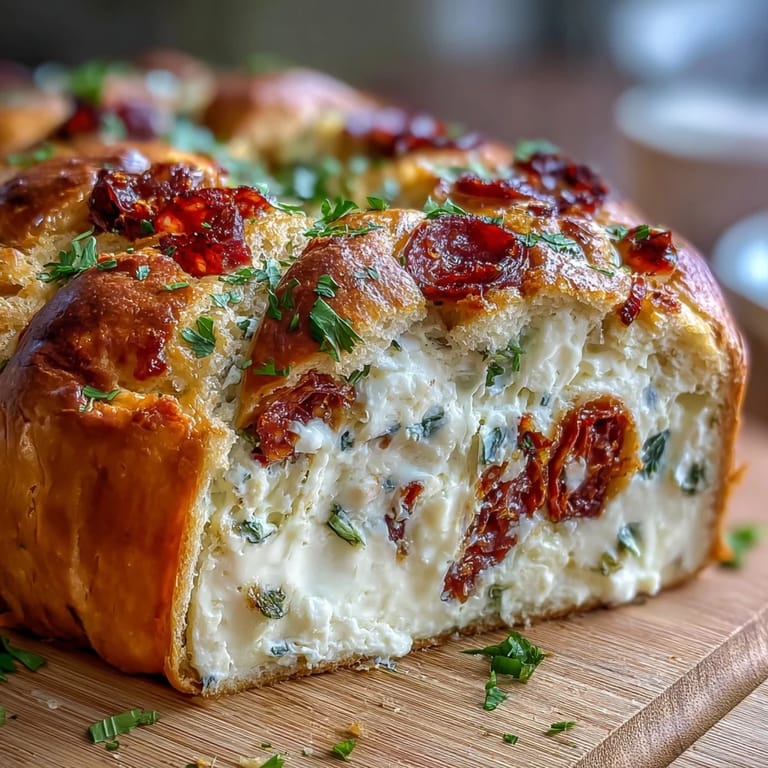
 There's something about this pie that transforms an ordinary meal into an occasion. My cousin brought a slice to a neighbor who'd just come home from the hospital, and she told us later that it was the first thing that made her feel like she was actually home again.
Why This Pie Works as a Centerpiece
The lattice pattern looks intentional and beautiful without requiring any special technique beyond patience and a steady hand. When you carry this pie to the table, people immediately see that you've made something worth the effort, which sets the right tone for a celebration.
The Flavor Balance That Keeps People Coming Back
The richness of the ricotta and cream is cut by the salt and umami of the salami and Parmigiano-Reggiano, while the nutmeg and pepper add a subtle warmth that keeps your palate from getting bored. Each bite has texture too, from the flaky pastry to the creamy filling to those little pockets of salami, so your mouth never gets tired.
Making It Your Own While Keeping the Tradition
My neighbor swapped out the salami for prosciutto because that's what her family always used, and it was equally beautiful. Some people add sautéed spinach or artichokes for a lighter version, and as long as you respect the basic structure and the idea of creamy filling in flaky pastry, the pie remains itself.
- If you're making this ahead, assemble everything up to the egg wash, cover it with plastic wrap, and refrigerate for up to 24 hours before baking.
- Leftovers keep beautifully for three days refrigerated, and they're wonderful cold straight from the fridge or gently warmed in a low oven.
- Scale this down to a smaller pan or up to a larger one depending on how many people you're feeding, and adjust baking time accordingly.
 Save to Pinterest
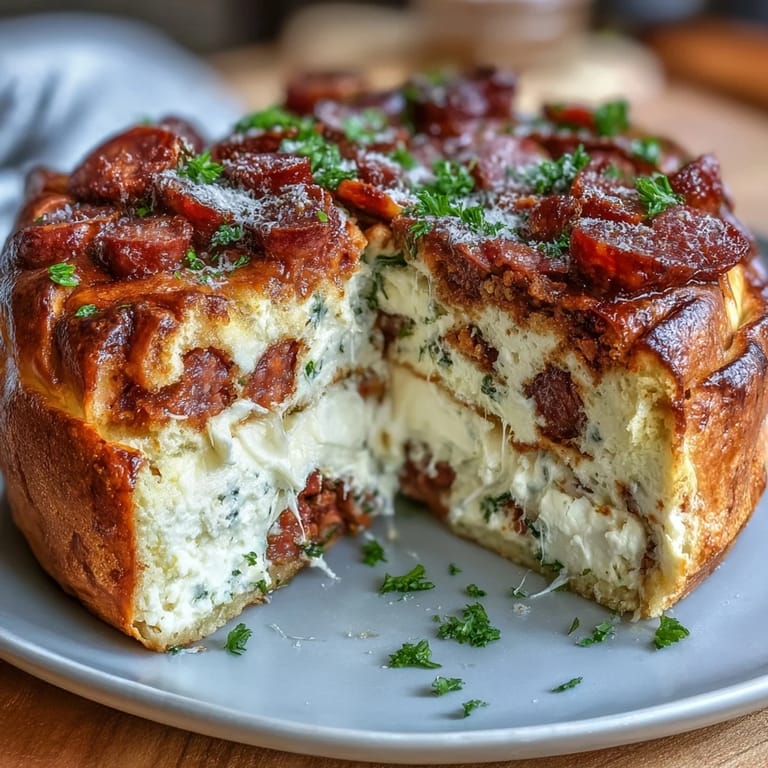
 Make this pie and you'll understand why it's been served at Easter tables in Italy for generations. It asks for a bit of time and attention, but rewards you with something that tastes like care and celebration.
Recipe Questions & Answers
- → What type of cheese is used inside the pie?
The filling includes ricotta, Parmigiano-Reggiano, and shredded mozzarella, providing a creamy and savory texture.
- → Can I substitute the salami with another ingredient?
Yes, prosciutto or cooked ham work well as substitutes. For a vegetarian option, omit meat and add sautéed spinach or artichokes.
- → How long should the pie bake for?
Bake the pie at 375°F (190°C) for 55–60 minutes until the crust is golden and the filling is set.
- → Is it necessary to chill the pastry dough before baking?
Chilling the dough for about 20 minutes helps to develop a tender, flaky crust that's easier to handle.
- → How can I store leftover pie?
Leftovers keep well refrigerated and can be enjoyed slightly warm or at room temperature the next day.