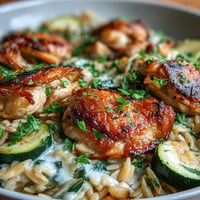
 Save to Pinterest
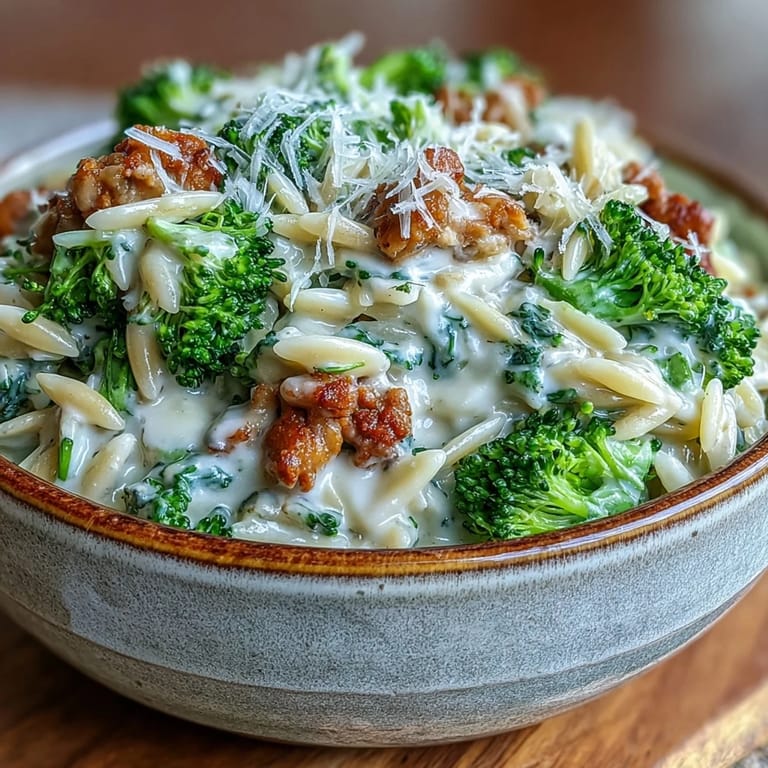
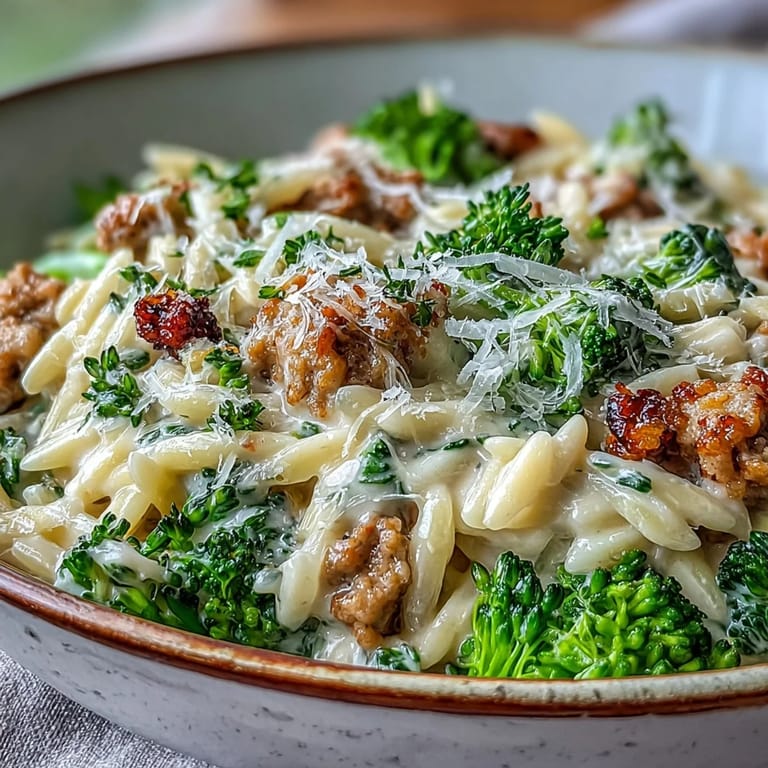
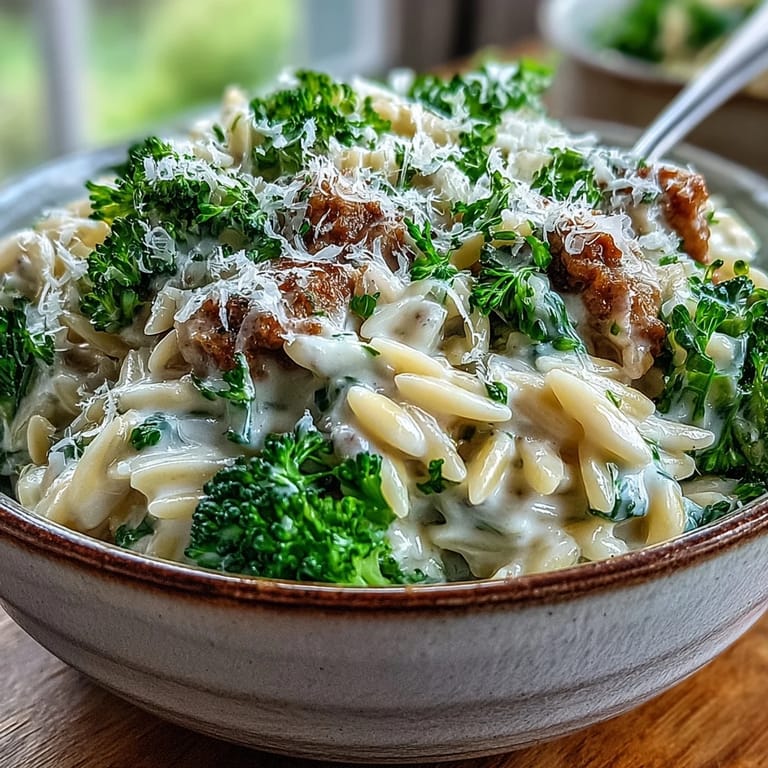
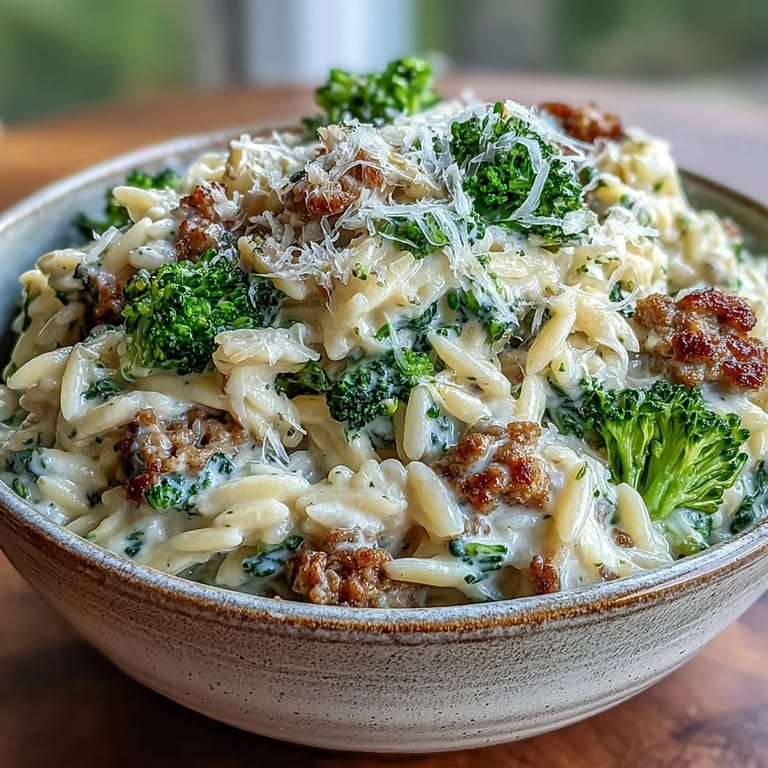
 There's something about the sound of ground turkey sizzling in butter that makes a weeknight feel less like an obligation and more like an occasion. I stumbled onto this creamy garlic orzo combo on a Tuesday when my fridge was running low and my energy was running lower, but somehow the combination of that silky cream sauce clinging to tiny pasta pearls and tender broccoli turned everything around. It's become the dish I make when I want something that tastes restaurant-worthy but doesn't demand hours in the kitchen. The beauty is how the orzo absorbs all those flavors as it cooks right in the pan, no separate pots required.
My partner walked into the kitchen one evening while I was making this and stood there just watching the broccoli turn that bright emerald green, asking what smelled so garlicky. By the time I served it, he'd already grabbed two bowls before I even sat down, and that's when I knew this recipe had crossed from just being convenient to becoming something we actually craved. It's the kind of dish that brings people to the table without fanfare, which somehow feels like its own small magic.
Ingredients
- Ground turkey (500 g): The lean protein that keeps this creamy without feeling heavy; look for a blend that's about 93/7 lean-to-fat ratio so you still get flavor and don't need to add extra oil.
- Broccoli florets (250 g): Cut them small so they cook evenly and nestle into the orzo like little green treasures; larger pieces take forever and throw off the timing.
- Yellow onion (1 medium): Finely diced so it melts into the sauce rather than sitting as chunks; the sweetness becomes the backbone of the whole dish.
- Garlic (3 cloves): Minced fine enough to distribute throughout, not chunky; this is where most of the aromatics come from, so don't skimp or skip it.
- Orzo pasta (250 g): This rice-shaped pasta is the secret weapon since it's small enough to cook right in the sauce and absorb all those flavors.
- Heavy cream (180 ml): The luxury element; full-fat cream is worth it here because it creates that silky coating without breaking or separating.
- Parmesan cheese (60 g): Freshly grated, never the pre-shredded kind with cellulose, because you want it to melt smoothly into the sauce instead of staying grainy.
- Butter (2 tbsp): Unsalted so you control the salt level; it builds the flavor foundation with the oil when you're sautéing.
- Broth (480 ml): Low-sodium is crucial because you're reducing it and adding salty Parmesan later, so regular broth can make this dangerously over-seasoned.
- Milk (120 ml): This stretches the cream and keeps the sauce from being too rich while maintaining creaminess.
- Thyme and oregano (1 tsp and ½ tsp): Dried herbs work beautifully here since they bloom in the warm liquid; they add subtle earthiness that makes turkey taste more complex.
- Red pepper flakes (½ tsp): Optional but highly recommended for a whisper of heat that wakes up the palate without overpowering.
- Olive oil (1 tbsp): Extra virgin for starting; it adds a subtle fruity note that plays well with the garlic.
- Lemon zest: A final brightness that cuts through the richness and makes you taste every layer instead of just the cream.
Tired of Takeout? 🥡
Get 10 meals you can make faster than delivery arrives. Seriously.
One email. No spam. Unsubscribe anytime.
Instructions
- Build the base:
- Heat olive oil and butter together in your large skillet over medium heat until the butter foams and smells toasted. Add your diced onion and let it soften for those first few minutes, stirring occasionally so it turns translucent without browning.
- Wake up the aromatics:
- Stir in your minced garlic and listen for that sizzle; cook just long enough to smell that incredible garlicky aroma, about one minute. This is the moment where your kitchen smells like something important is happening.
- Brown the turkey:
- Add your ground turkey to the pan and season generously with salt, pepper, thyme, and oregano right away. Break it up with your spoon as it cooks, letting it develop a light golden color rather than staying pale gray, which takes about five to six minutes.
- Toast the orzo:
- Stir in your dried orzo and let it sit in the pan for about a minute, turning it around in all that turkey fat and aromatics. This toasting step gives the pasta extra depth, almost like you'd get from a roux but lighter.
- Build the sauce liquid:
- Pour in your broth and milk together, then bring everything to a simmer. Reduce the heat to low, put a lid on the skillet, and let it bubble gently for seven minutes, stirring now and then so nothing sticks.
- Add the broccoli:
- After seven minutes, scatter your broccoli florets across the top and stir everything together. Cover again and cook for five to six more minutes until the orzo is tender but not mushy and the broccoli is just cooked through but still bright green.
- Create the cream finish:
- Pour in your heavy cream and sprinkle the Parmesan over everything, then stir until it's all silky and coats each piece of pasta. Taste and adjust your salt and pepper, then add those red pepper flakes if you want a subtle kick.
- Let it rest:
- Take the skillet off heat and let it sit undisturbed for two minutes. This gives the sauce time to thicken slightly and helps everything come together more cohesively.
- Finish and serve:
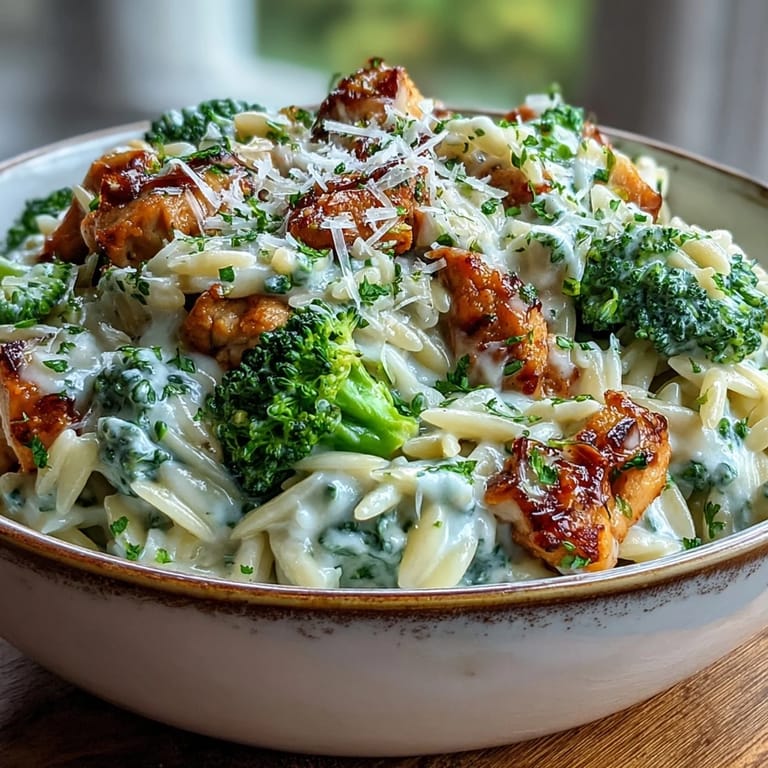
- Divide into bowls and top with lemon zest and extra Parmesan if you have it on hand. The brightness of the lemon makes all the difference in keeping this from feeling too heavy.
 Save to Pinterest
  Save to Pinterest
 The first time I made this for a dinner party, I was nervous because cream sauces can be finicky, but something about cooking the pasta directly in the liquid made the whole thing feel foolproof. Everyone went back for seconds, and my friend asked if I'd gotten the recipe from a restaurant, which somehow felt like the highest compliment a home cook can receive.
Why This Dish Works So Well
There's real chemistry in cooking the orzo directly in the broth instead of separately; the pasta releases its starches into the liquid, which helps thicken the sauce naturally without needing a roux or cornstarch. The broccoli adds textural contrast and actual vegetables to what could otherwise be a heavy cream pasta, keeping everything balanced. Ground turkey is lean enough that you don't get that greasy feeling afterward, but it still browns beautifully and develops real flavor, making this feel substantial without being rich.
How to Customize Without Losing the Magic
Substitute ground chicken if you prefer, though it tends to be slightly less flavorful than turkey, so you might want to add an extra clove of garlic. You can swap the broccoli for asparagus, green beans, or even fresh spinach added at the very end, though each changes the character slightly. For a lighter version, use half-and-half instead of heavy cream, which still tastes creamy but won't coat your palate quite so thickly. A splash of white wine added with the broth brings complexity, though it means reducing the broth slightly so you don't water things down.
Making It Yours Every Time
This recipe is forgiving enough to adapt to what you have but structured enough to never disappoint. Once you've made it once, you'll feel confident adjusting the seasoning, trying different herbs, or adding a pinch of nutmeg for warmth.
- Stir in a spoonful of cream cheese along with the heavy cream if you want extra richness and a subtle tang.
- A squeeze of fresh lemon juice instead of just zest brightens everything just before serving.
- Red pepper flakes are optional but worth keeping on the table for anyone who wants to add their own heat.
 Save to Pinterest
  Save to Pinterest
 This dish has become my answer to the question What's for dinner tonight when I want something that feels like you made an effort but doesn't require you to actually be in the kitchen for hours. It's comfort food that doesn't apologize for being simple, and that's the whole point.
Recipe Questions & Answers
- → Can I make this orzo dish ahead of time?
Absolutely. The flavors actually deepen when made ahead. Store in an airtight container in the refrigerator for up to 3 days. Reheat gently with a splash of milk or broth to restore the creamy consistency, as the sauce will thicken when chilled.
- → What can I substitute for the ground turkey?
Ground chicken works beautifully as a direct substitute. For a vegetarian version, use crumbled Italian sausage or plant-based ground meat alternative. You could also swap in small meatballs made from chicken or pork for added texture variation.
- → How do I prevent the orzo from becoming mushy?
The key is monitoring the liquid absorption and cooking time. Cook covered for the first 7 minutes, then uncover and stir frequently. The orzo should be al dente with a slight bite to the center. Remember it continues cooking briefly even after removing from heat, so pull it slightly early.
- → Can I use other vegetables instead of broccoli?
Certainly. Chopped spinach, kale, or Swiss chard work well and wilt nicely into the creamy sauce. Frozen peas, diced zucchini, or bell peppers also complement the garlic cream base. Adjust cooking times based on your vegetable choice—leafy greens need just 2-3 minutes.
- → Is there a lighter version of this creamy orzo?
Replace heavy cream with half-and-half or evaporated milk for reduced fat content. You can also use less Parmesan and supplement with nutritional yeast for cheesy flavor. Adding pureed cauliflower or white beans creates natural creaminess while boosting nutrition.
- → Why does my sauce sometimes separate?
Sauce separation typically happens when high heat causes dairy proteins to break down. Always add cream and Parmesan off the heat or over very low flame, stirring constantly. Avoid boiling after dairy is incorporated. If separation occurs, whisk vigorously while warming gently to re-emulsify.