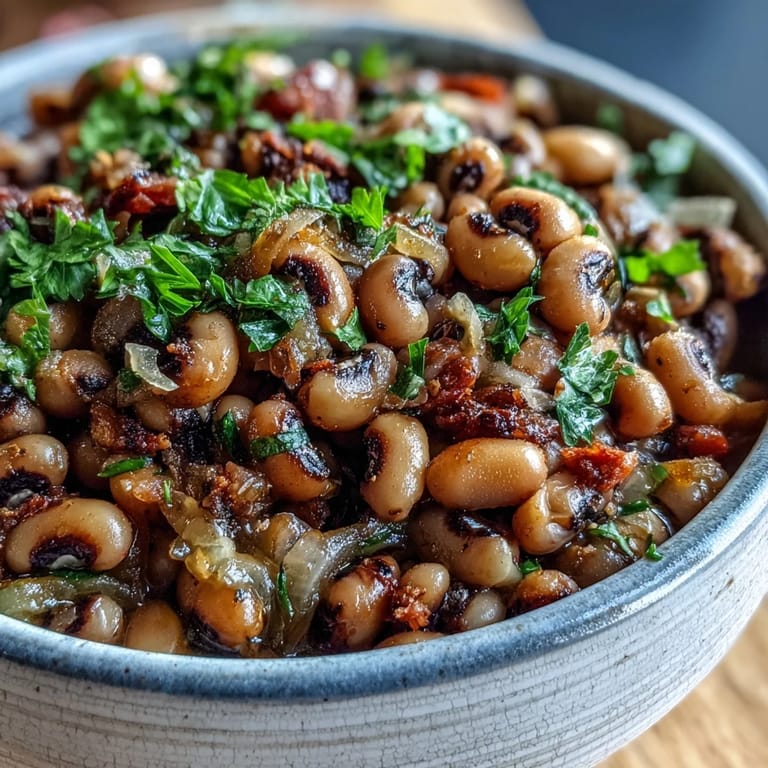
 Save to Pinterest
 My aunt called me one Thursday afternoon in a panic—she was hosting dinner that night and had forgotten to plan a side dish. I happened to be at her kitchen counter when she pulled out a bag of frozen black-eyed peas from the back of her freezer, and within twenty-five minutes, we had something so genuinely delicious that her guests asked for the recipe. That's when I realized this humble Southern staple didn't need hours of simmering to taste like comfort; it just needed the right approach and a little attention to the aromatics.
I've made this dish at least a dozen times since that day, and it never fails to impress. Once, I brought it to a potluck where someone had made an elaborate salad, and somehow the black-eyed peas were the first thing to disappear. That's when I stopped apologizing for making something so straightforward and started celebrating it instead.
Ingredients
- Frozen black-eyed peas (2 cups): Frozen is actually better than canned for texture—they hold their shape and don't get mushy, though if you use canned, drain and rinse them well to remove excess sodium.
- Olive oil (1 tablespoon): This is your flavor foundation, so don't skip it or go with something flavorless.
- Small onion, finely chopped: The finer the chop, the more evenly it distributes flavor throughout the pot.
- Garlic cloves (2), minced: Fresh garlic makes all the difference—jarred just won't give you that same brightness.
- Vegetable or chicken broth (1 1/2 cups): Low-sodium broth lets you control the salt and prevents the dish from tasting tinny.
- Smoked paprika (1/2 teaspoon): This is the secret weapon that makes people think you cooked it longer than you did.
- Dried thyme (1/2 teaspoon): Adds an earthy note that ties everything together beautifully.
- Black pepper (1/4 teaspoon): Freshly ground makes a noticeable difference in brightness.
- Salt (1/2 teaspoon): Taste as you go—broth already contains salt, so start conservative.
- Bay leaf: Removes easily after cooking and adds subtle depth you'll notice when it's missing.
- Diced tomatoes, optional (1/2 cup): Fresh or canned both work; they add acidity that brightens the whole dish.
- Cayenne pepper, optional (1/4 teaspoon): If you like heat, add this to the broth; it builds gradually as things simmer.
- Fresh parsley for garnish (2 tablespoons): Don't skip the garnish—color and freshness make it feel intentional.
Tired of Takeout? 🥡
Get 10 meals you can make faster than delivery arrives. Seriously.
One email. No spam. Unsubscribe anytime.
Instructions
- Warm your oil and soften the onion:
- Heat the olive oil in a medium saucepan over medium heat, then add your chopped onion. Watch it turn translucent and soft—this takes about three to four minutes and is the moment the kitchen starts to smell like something good is happening.
- Add the garlic:
- Once the onion is soft, add your minced garlic and stir constantly for just thirty seconds. You want the rawness to cook out, but not so long that it browns and becomes bitter.
- Combine everything:
- Stir in the black-eyed peas, broth, smoked paprika, thyme, black pepper, salt, bay leaf, and tomatoes if using. The color will deepen almost immediately from the paprika—that's what you're after.
- Simmer gently:
- Bring everything to a gentle simmer, then cover the pot. Let it bubble away softly for fifteen to eighteen minutes, stirring occasionally so nothing sticks to the bottom. The peas will soften and the flavors will meld into something greater than their parts.
- Taste and adjust:
- Remove the bay leaf, then taste a spoonful. Add more salt or pepper if you need it—this is your moment to make it exactly right for your palate.
- Serve warm:
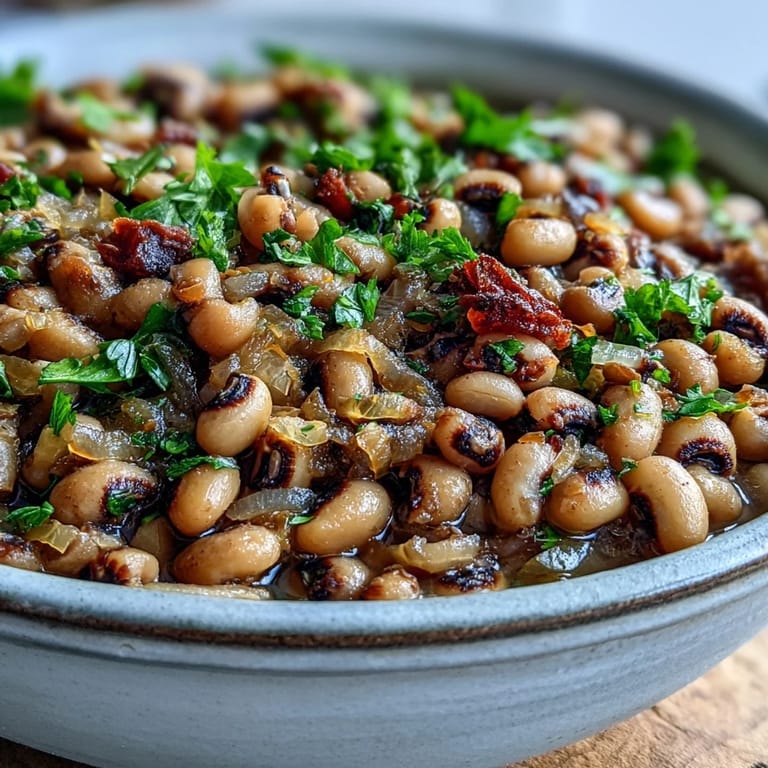
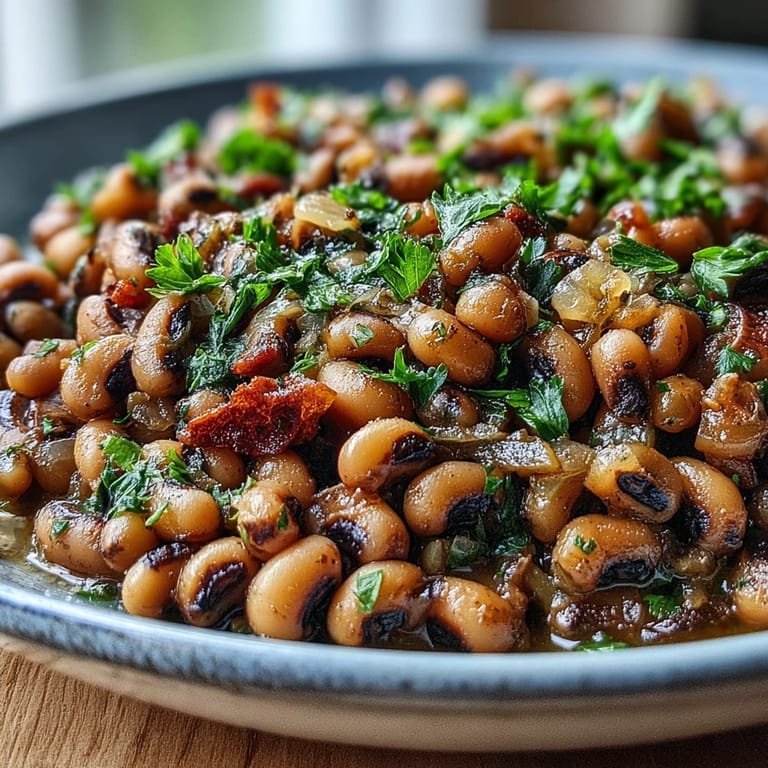
- Transfer to a serving bowl and scatter fresh parsley over top. This small touch of green makes it look intentional and tastes fresher than you'd expect.
 Save to Pinterest
 There's something about watching someone's face light up when they taste something simple and realize it's exactly what they needed. My neighbor stopped by once while I was making this, stayed for dinner, and has been asking me to make it ever since.
The Southern Trick You're Actually Using
Southern cooking isn't really about complexity or hours at the stove—it's about building flavor through aromatics and letting good ingredients speak for themselves. The reason this dish works so well is that you're essentially making a tiny stock in your saucepan while the peas absorb all of it. Every bit of onion, garlic, and spice goes into the pot and stays there, so nothing is wasted.
Ways to Make It Your Own
This recipe is solid on its own, but it's also a jumping-off point. I've added diced bell peppers, cooked bacon, fresh diced tomatoes, and even a pinch of cumin without any of it feeling wrong. The key is to respect the original flavors and add things that enhance rather than compete.
Serving and Storage
Serve this warm alongside cornbread, over rice, or as a side to any protein. It's also excellent at room temperature, which makes it a sneaky good option for potlucks or packed lunches. Leftovers keep beautifully in an airtight container for up to four days, and reheating actually makes the flavors taste even more settled.
- Reheat gently on the stovetop with a splash of broth to restore the sauce and prevent sticking.
- This freezes well too—portion it into containers and thaw overnight before reheating if you want to make it ahead.
- Bring it to room temperature before serving if you're taking it somewhere, which also makes the flavors more pronounced.
 Save to Pinterest
 This is the kind of recipe that becomes part of your regular rotation without you ever meaning for it to happen. That's when you know something works.
Recipe Questions & Answers
- → Do I need to soak frozen black-eyed peas before cooking?
No soaking required for frozen black-eyed peas. They cook quickly and become tender in just 15–18 minutes of simmering. If using canned peas, simply drain and rinse before adding to the pot.
- → Can I make this dish vegan?
Absolutely. Use vegetable broth instead of chicken broth and skip any optional meat additions like ham or bacon. The dish remains flavorful and satisfying with just the aromatic vegetables and spices.
- → What goes well with black-eyed peas?
These pair beautifully with cornbread, steamed rice, or crusty bread. They also complement fried chicken, grilled pork chops, or roasted vegetables as part of a larger Southern-inspired meal.
- → How do I store leftovers?
Store cooled black-eyed peas in an airtight container in the refrigerator for up to 4 days. Reheat gently on the stovetop with a splash of broth or water to prevent sticking. They also freeze well for up to 3 months.
- → Can I add more heat to this dish?
Yes, include the optional cayenne pepper or add diced jalapeño when sautéing the onions. You can also serve with hot sauce on the table for those who prefer extra spice.