 Save to Pinterest
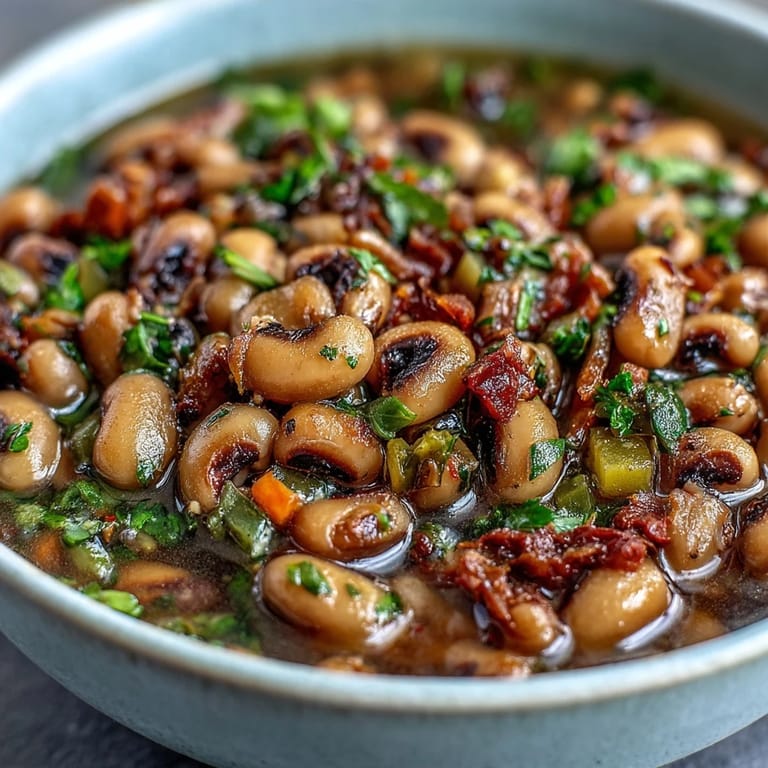
 My neighbor knocked on my door one January afternoon with a steaming pot of black-eyed peas, insisting that eating them on New Year's Day was the only reason she'd made it through the previous year without major disaster. I laughed at first, but when I tasted hers alongside mine—which I'd made with smoked turkey instead of the traditional ham hock—something clicked. The peas were impossibly tender, the broth had deepened into something almost brassy, and the turkey added this lean, smoky richness that felt less heavy but somehow more satisfying. That's when I understood why this dish has survived generations in Southern kitchens: it's not superstition, it's just really good food.
I made this for my mom's book club last February, and honestly, it was the dish that stayed on the table longest—even after the cornbread was gone and people were lingering just to finish their bowls. One of the women asked for the recipe before she'd even put her spoon down, which felt like the highest compliment. What struck me most was how the kitchen smelled while it simmered: onion and celery and garlic had melted into something almost sweet, and the turkey bones had released this mineral, bone-broth depth that made the whole house feel warm.
Ingredients
- Black-eyed peas (1 pound, dried, rinsed and sorted): These little beans have a subtle earthiness and a creamy texture when cooked properly—sorting through them takes a minute but catches any stray pebbles that could crack a tooth.
- Smoked turkey wings or drumsticks (1 pound): The smoky flavor infuses the entire pot without overwhelming it, and you get to shred real meat instead of fishing for hidden bones.
- Onion, celery, carrot (1 medium, 2 stalks, 1 large): This trinity builds the foundation—the vegetables soften into the broth and disappear, but their sweetness anchors everything.
- Garlic (3 cloves, minced): Don't skip mincing it fine; whole cloves stay hard and bitter, but minced garlic dissolves and becomes almost sweet.
- Bay leaf (1): Just one, and you'll fish it out at the end—it adds an herbal whisper without announcing itself.
- Low-sodium chicken or vegetable broth and water (6 cups and 2 cups): The ratio matters because you want enough liquid for the peas to cook through without turning into mush or soup.
- Smoked paprika (1 teaspoon): This is the secret weapon for depth; regular paprika is flat by comparison.
- Dried thyme (1 teaspoon): Thyme and black-eyed peas were made for each other—it brings out a subtle nuttiness.
- Crushed red pepper flakes (½ teaspoon, optional): Add this if you like a gentle heat that sneaks up on you rather than screams at you.
- Black pepper and salt: Freshly ground pepper makes all the difference; add salt at the very end because the broth and turkey already carry salt.
- Olive oil (2 tablespoons): Medium heat is your friend here so the oil doesn't smoke and turn bitter.
Tired of Takeout? 🥡
Get 10 meals you can make faster than delivery arrives. Seriously.
One email. No spam. Unsubscribe anytime.
Instructions
- Build your flavor base:
- Heat olive oil in a large pot over medium heat until it shimmers slightly, then add your onion, celery, carrot, and garlic. You'll know they're ready when the onion turns translucent and the whole kitchen smells like a savory hug—usually 5 to 6 minutes.
- Combine everything:
- Add the smoked turkey, rinsed black-eyed peas, bay leaf, smoked paprika, thyme, red pepper flakes, black pepper, broth, and water all at once. Stir so the spices are evenly distributed and the turkey nestles into the mix.
- Bring to a boil, then settle into a simmer:
- Once you see big rolling bubbles breaking the surface, reduce the heat to low and let it bubble gently—uncovered—for 60 to 75 minutes. Skim any gray foam that rises to the surface early on; it's just impurities and won't hurt anything, but skimming keeps the broth clearer.
- Shred the turkey:
- Once the peas are tender enough to break easily between your fingers, carefully remove the turkey pieces and let them cool just long enough to handle. Shred the meat from the bones, discard the skin and bones, and stir the shredded meat back into the pot—it'll warm up immediately.
- Taste and adjust:
- Now is the time to taste and salt as needed, and to remove that bay leaf. Don't rush this step because salt brings everything into focus.
- Serve with warmth:
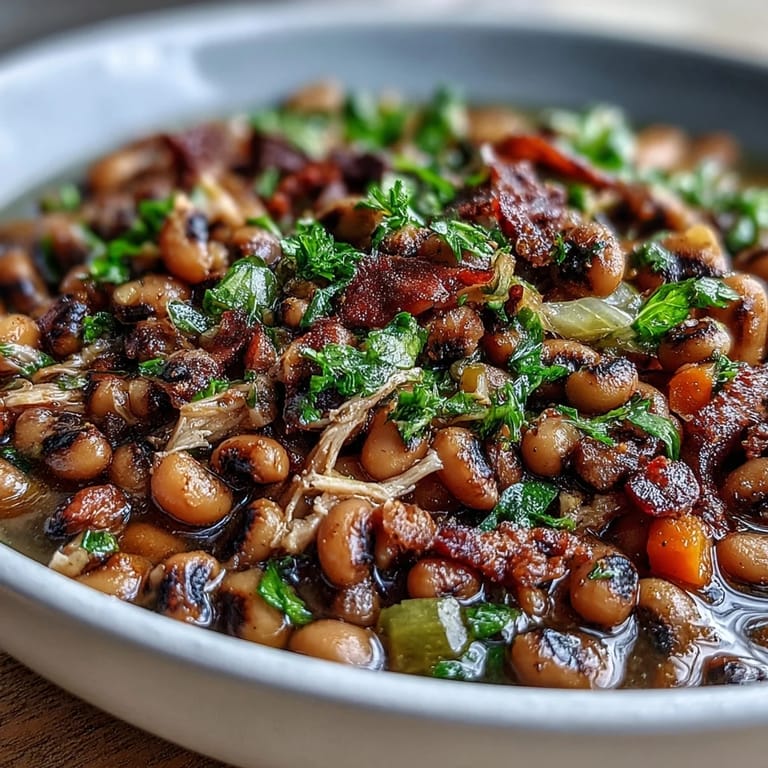
- Ladle into bowls and top with fresh parsley if you have it, or a dash of hot sauce for a little brightness.
 Save to Pinterest
 There's something almost ceremonial about eating black-eyed peas on New Year's Day, even if you make them in February or July—they've become less about the calendar and more about marking a moment when you're ready to eat something that tastes like it matters. My mom still calls me every January 1st to check if I've made them, and I've started doing the same with friends.
Why Smoked Turkey Changes Everything
Traditionally, black-eyed peas get their richness from salt pork, ham hock, or bacon—but smoked turkey gives you that same savory, smoky depth with less fat and no guilt afterward. The meat stays lean because it's already been smoked before you buy it, so all you're doing is letting it flavor the broth. I used to think this dish required heavy proteins, but smoked turkey proved me wrong—the spices and the long simmer time do most of the work, and the turkey just needs to be there to deepen everything.
The Art of Seasoning as You Go
The tricky part with this dish is resisting the urge to salt it early; your instinct will be to add salt while everything simmers, but the broth and turkey already have plenty of sodium, and you'll taste it better at the end when all the flavors have melded. I learned this by over-salting a pot and spending an hour trying to dilute it—now I taste it only in the final minutes. The smoked paprika and thyme do the heavy lifting in the flavor department, so trust them to work while the dish cooks.
Serving Suggestions and Storage
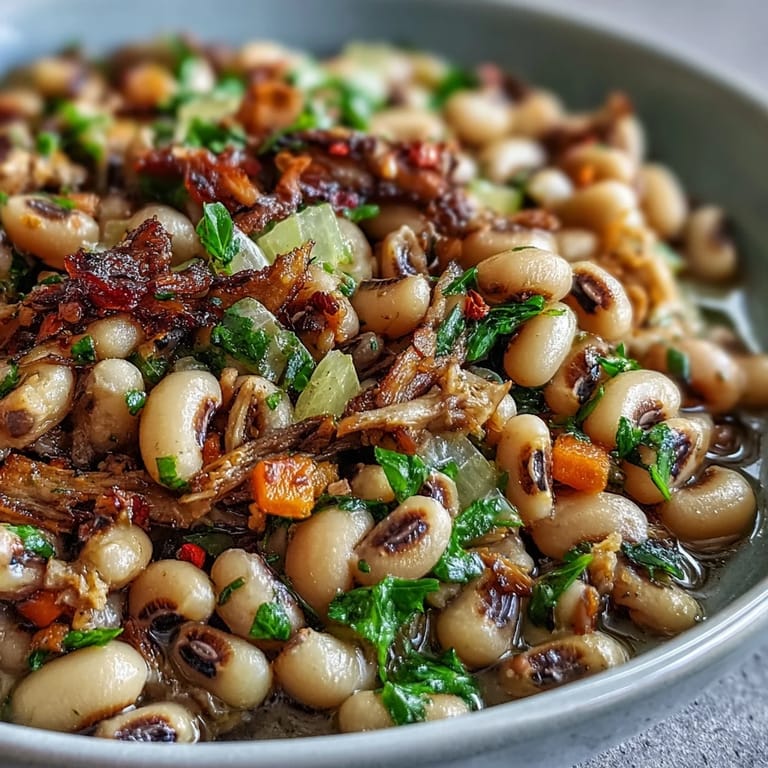
This dish tastes even better the next day once the flavors have settled, so don't hesitate to make it ahead. Serve it over steamed rice, alongside cornbread, or in its own bowl with a side of hot sauce for anyone brave enough to add heat. Leftovers keep for up to four days in the refrigerator and freeze beautifully for up to three months—I've pulled from the freezer more times than I can count when I needed comfort food fast.
- A diced bell pepper stirred in during the last 10 minutes adds color and subtle sweetness without changing the core flavor.
- If you can't find smoked turkey, smoked chicken works beautifully and might even cook a few minutes faster.
- For a vegetarian version, use smoked paprika plus a splash of liquid smoke and skip the turkey entirely.
 Save to Pinterest
 This is the kind of food that brings people together without fussing, and that's exactly what a good recipe should do. Make it once and you'll understand why it's lasted a hundred years.
Recipe Questions & Answers
- → Do I need to soak the black-eyed peas before cooking?
No soaking is required for this preparation. The dried peas cook directly in the broth and water, softening beautifully during the 60–75 minute simmer time. This method saves prep time while still yielding perfectly tender peas.
- → Can I make this dish in a slow cooker?
Absolutely. Sauté the vegetables first, then add all ingredients to your slow cooker. Cook on low for 6–8 hours or on high for 3–4 hours until the peas are tender. Shred the turkey before serving.
- → What's the best way to store leftovers?
Allow the dish to cool completely before transferring to an airtight container. It will keep well in the refrigerator for up to 4 days. The flavors often develop further overnight, making leftovers even more delicious.
- → Can I use canned black-eyed peas instead?
You can substitute with canned peas for a quicker version. Use about 4–5 cans (drained and rinsed) and reduce the cooking time to 25–30 minutes to allow the flavors to meld. The texture will be slightly different but still enjoyable.
- → What other smoked meats work well in this dish?
Smoked turkey wings or drumsticks are traditional, but smoked chicken, ham hocks, or even smoked pork neck bones add wonderful flavor. Each imparts a slightly different smoky profile while maintaining the dish's Southern character.