 Save to Pinterest
 My neighbor Maria invited me over one quiet Sunday afternoon, and the moment I stepped into her kitchen, this unmistakable aroma wrapped around me like a warm hug. She'd been simmering black-eyed peas in her slow cooker since morning, filling the space with oregano, tomato, and olive oil in that distinctly Greek way that somehow feels both humble and luxurious. I watched her stir the pot without measuring anything, just tasting and adjusting, and realized that slow cooking isn't really about time at all—it's about letting flavors get to know each other.
I made this for a book club gathering on a chilly November evening, and something magical happened when I ladled it into bowls and passed them around the table. One friend asked if I'd studied in Greece, another swore I'd cooked it for days, and my teenage neighbor—who usually declines everything—came back for seconds without being asked. That's when I understood that this dish doesn't just feed people; it creates a moment where everyone slows down and actually tastes what they're eating.
Ingredients
- Black-eyed peas (2 cups dried): The star of this show, and worth sourcing from a bulk bin if you can because they're fresher and somehow taste nuttier than the pre-packaged versions.
- Onion, garlic, carrots, and red bell pepper: This is your flavor foundation, and finely chopping them matters because they'll soften into the broth and become part of the soul of the dish.
- Canned diced tomatoes (1 can) with tomato paste (2 tablespoons): The tomato paste is the secret amplifier here—it concentrates the flavor without adding extra liquid.
- Extra virgin olive oil (1/3 cup): Don't skimp on quality here; use something you'd drizzle on bread because it truly matters to the final taste.
- Vegetable broth (4 cups): The liquid backbone, and homemade is always superior if you have it, though a good store-bought version works beautifully.
- Dried oregano (2 teaspoons): This is what makes it sing Greek; it's earthy and slightly peppery in a way that feels authentic and unforced.
- Smoked paprika (1 teaspoon), cumin (1/2 teaspoon optional), and bay leaf: These warm spices deepen the flavor without overpowering, creating layers that reveal themselves with each spoonful.
- Salt and freshly ground black pepper: Season as you go, not just at the end, because the broth will concentrate and flavors will shift.
- Fresh parsley, feta cheese, and lemon wedges (optional garnish): The finishing touches that remind your palate of fresh Mediterranean air and brightness.
Tired of Takeout? 🥡
Get 10 meals you can make faster than delivery arrives. Seriously.
One email. No spam. Unsubscribe anytime.
Instructions
- Prepare your ingredients with intention:
- Rinse and pick through your dried peas while thinking about the meal ahead, removing any small stones that somehow always hide in bulk legumes. Chop everything else into fairly uniform pieces so they cook evenly and the dish looks inviting when served.
- Build your slow cooker foundation:
- Layer the peas, onion, garlic, carrots, and bell pepper into the pot, then pour in the tomatoes with their juices, the tomato paste, broth, and olive oil. Add your oregano, paprika, cumin if using, and bay leaf, then stir everything together until it feels unified.
- Let time do the heavy lifting:
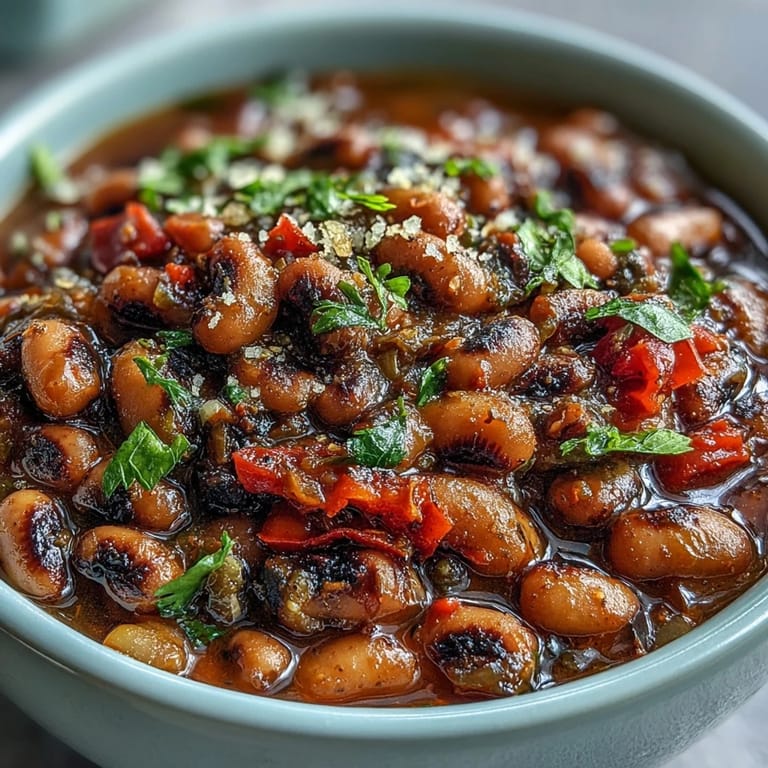
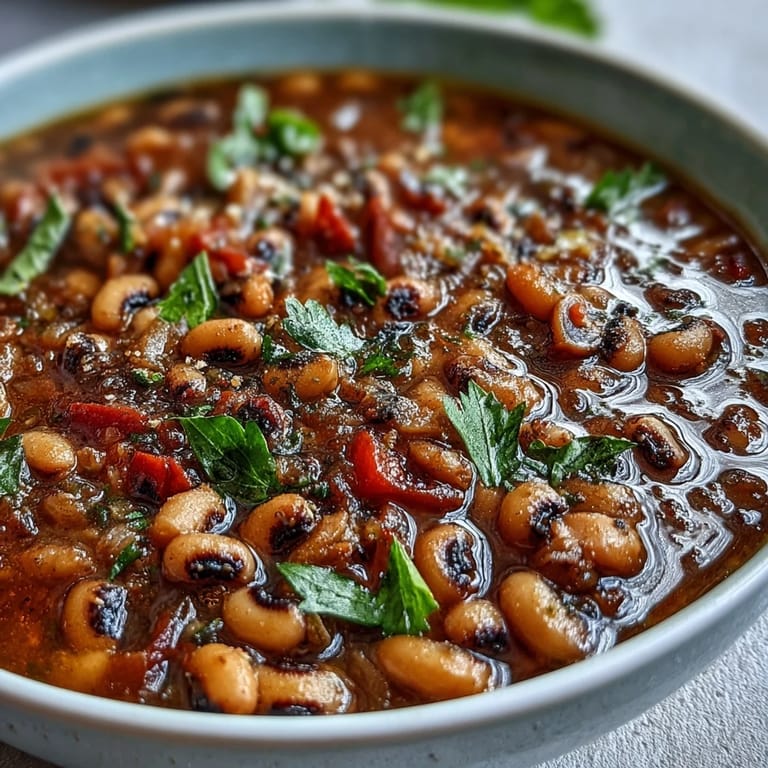
- Cover and set to low heat for 6 to 7 hours, resisting the urge to peek too often because each time you open the lid you're releasing warmth and steam that the peas need. The dish is ready when the peas are tender enough to break easily between your fingers and the broth has turned a beautiful rust color.
- Taste and adjust before serving:
- Remove the bay leaf, then taste a spoonful of both peas and broth together, adjusting salt and pepper until it tastes like comfort and memory combined. This final step is where you make it yours.
- Finish with freshness and brightness:
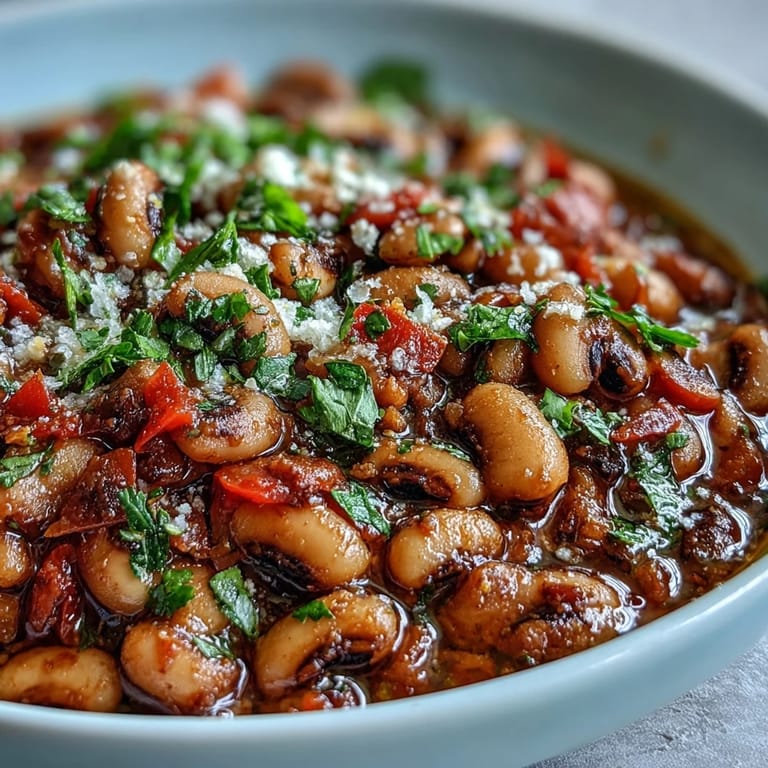
- Ladle into bowls and scatter fresh parsley, crumbled feta, and lemon wedges on top, letting each person customize their own bowl with as much tanginess and saltiness as they prefer.
 Save to Pinterest
 There's a particular moment, around hour five of cooking, when the entire house begins to smell like a coastal Greek taverna and you realize you haven't checked your phone in hours. That moment—when a dish stops being an obligation and becomes an event—is what this recipe does best.
The Slow Cooker Advantage
Slow cooking dried legumes is like giving them a spa treatment instead of a boot camp. They plump up gradually, absorb all the surrounding flavors, and become creamy on the inside while staying intact, which is nearly impossible to achieve on the stove without burning the bottom. The long, gentle heat also mellows the spices so they blend into a cohesive flavor rather than sitting separately on your tongue.
Making It Your Own
This recipe is more of a template than a rule, which is why Maria never made it exactly the same way twice. Some days she'd add spinach or kale in the final half hour, other times she'd throw in diced zucchini, and once she added a pinch of cinnamon that shouldn't have worked but somehow did. The foundation is strong enough to carry whatever vegetables you have on hand or whatever your mood suggests.
Serving Suggestions and Variations
Serve this hot in deep bowls with crusty bread for soaking up every drop of the broth, or pile it over rice or farro for a more substantial meal. Cold leftovers are equally stunning mixed into grain bowls or lunch containers, and I've even spooned it over roasted fish and called it a complete dinner. The beauty of this dish is that it knows how to behave in any context you place it in.
- Pair it with a crisp Sauvignon Blanc or Greek Assyrtiko wine to echo the Mediterranean flavors.
- Drizzle extra olive oil and fresh lemon juice over each bowl just before eating for brightness that cuts through the richness.
- Keep feta crumbles and parsley on the side so guests can adjust garnish to their preference and taste.
 Save to Pinterest
 This is the kind of recipe that turns a ordinary day into something nourishing, that proves you don't need fancy techniques or rare ingredients to feed people something they'll remember. Make it once and you'll find yourself returning to it during gray weeks when your kitchen needs to smell like sunshine.
Recipe Questions & Answers
- → Do I need to soak black-eyed peas before cooking?
No soaking is required for this slow cooker method. The dried peas cook directly in the liquid and become perfectly tender after 6-7 hours on low heat.
- → Can I use canned black-eyed peas instead?
Yes, you can substitute canned beans. Reduce the cooking time to 2-3 hours on low since they're already cooked. Drain and rinse them before adding.
- → How do I store leftovers?
Store cooled portions in airtight containers in the refrigerator for up to 4 days. The flavors continue to develop and taste even better the next day.
- → What can I serve with these Mediterranean peas?
Pair with crusty bread for dipping, serve over rice, or enjoy alongside a crisp green salad. The dish also complements grilled vegetables perfectly.
- → Is this dish freezer-friendly?
Absolutely. Portion the cooled mixture into freezer-safe containers and freeze for up to 3 months. Thaw overnight in the refrigerator before reheating.
- → Can I make this on the stovetop?
Yes. Simmer covered on low heat for 1.5-2 hours, adding more broth as needed until the peas are tender. Stir occasionally to prevent sticking.