 Save to Pinterest
 There's something almost meditative about watching butter melt into flour, then whisking in warm milk until it transforms into that silky béchamel. I learned to make proper mac and cheese not from a recipe book, but from a coworker who insisted that homemade sauce was the only way to go. One Sunday afternoon, I decided to prove her right, and what came out of that pan changed how I thought about comfort food forever. Now, whenever I make it, I'm transported back to that kitchen with the afternoon light streaming through the window, tasting possibility in every creamy bite.
I made this for my sister's college friends during a surprise visit, and I'll never forget how quiet the kitchen got as people took their first bites. Someone actually closed their eyes. That's when I realized mac and cheese isn't just about feeding people; it's about giving them a moment where everything else falls away. That's the power of doing the small things right.
Ingredients
- Elbow macaroni (350 g): The shape matters more than you'd think—those little tubes are designed to catch sauce, so don't get tempted by fancy pasta shapes here.
- Unsalted butter (3 tbsp): You need this neutral base for your roux; salted butter will throw off your seasoning balance.
- All-purpose flour (3 tbsp): This creates the thickening agent that turns milk into something luxurious and clingy.
- Whole milk, warmed (2 cups): Warming it first prevents lumps and helps everything come together faster—this tip alone changes the game.
- Heavy cream (1 cup): This is where the richness lives; it softens the sharpness of the cheese and makes the texture velvety.
- Sharp cheddar cheese, grated (200 g): The backbone of the dish—buy it as a block and grate it yourself because pre-shredded has anti-caking agents that affect the sauce.
- Gruyère or Swiss cheese (75 g): This brings nutty undertones and complexity that sharp cheddar alone can't achieve.
- Parmesan cheese, finely grated (50 g): The finishing touch that adds a savory bite and helps the sauce cling to every pasta piece.
- Dijon mustard (1 tsp): A small amount wakes up the cheese flavors without making anything taste spicy or sour.
- Garlic powder, onion powder, salt, pepper, and cayenne: These build depth; the cayenne especially is a secret ingredient that makes people ask what you did differently.
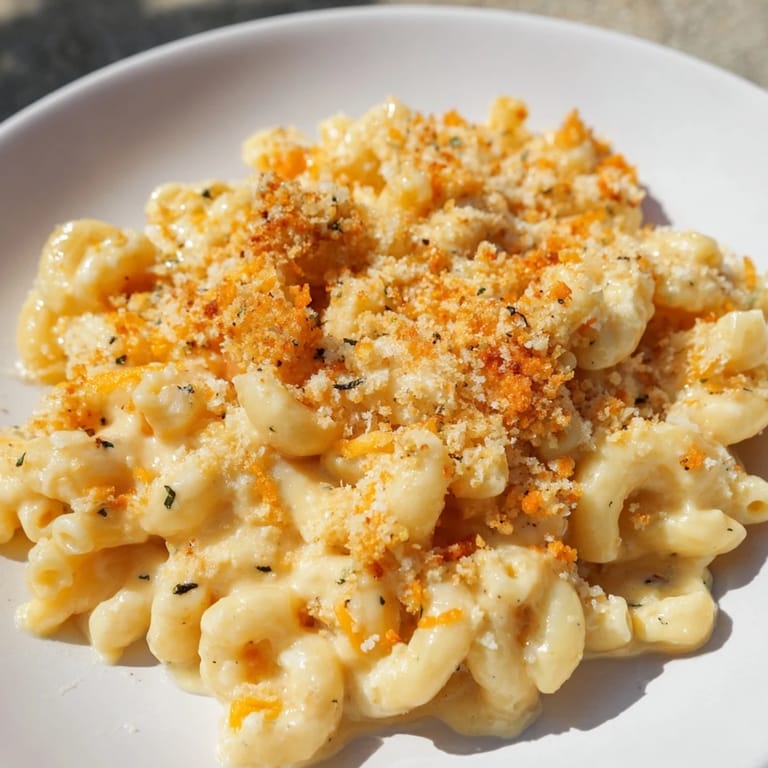
- Panko breadcrumbs (½ cup) with melted butter and Parmesan: For the baked version, this becomes your golden, crispy crown.
Tired of Takeout? 🥡
Get 10 meals you can make faster than delivery arrives. Seriously.
One email. No spam. Unsubscribe anytime.
Instructions
- Prep and heat:
- If you're baking, preheat to 200°C (400°F) and grease your dish so nothing sticks when you need it most. Have all your ingredients visible before you start—that moment when you reach for something and it's already there feels like winning a small kitchen victory.
- Cook the pasta just under:
- Boil your macaroni in salted water until it's slightly firmer than you'd normally eat it, about 1–2 minutes before package directions say it's done. This matters because it'll soften slightly in the hot cheese sauce, and you want it tender, not mushy.
- Make your roux:
- Melt butter over medium heat, whisk in flour, and let it bubble for 1–2 minutes until it smells nutty and turns light golden. If it browns, start over; burnt flour tastes bitter and no amount of cheese saves you from that.
- Build the sauce:
- Slowly whisk in your warmed milk and cream, keeping the heat at medium and stirring constantly to prevent lumps. Watch as the mixture thickens into something glossy and smooth—this is béchamel, one of the five mother sauces of cooking, and you just made it from scratch.
- Season and add the magic:
- Lower the heat to gentle, stir in mustard and all those spices, then taste before you add cheese. This is the moment where you can adjust seasoning; once the cheese goes in, it's harder to balance.
- Melt in the cheeses:
- Add your cheeses in batches, stirring constantly until each addition melts completely before adding more. Patience here prevents clumping and ensures that silky, luxurious finish.
- Bring it together:
- Fold the cooked pasta into the cheese sauce gently, making sure every piece gets coated. This is the moment everything comes together—you're no longer making separate components; you're creating the dish.
- Choose your finish:
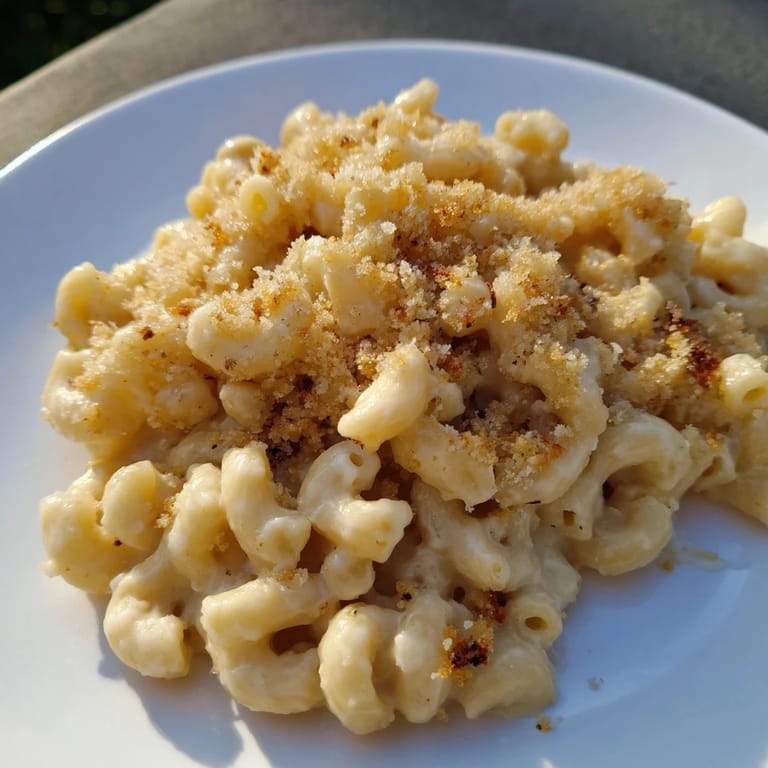
- For stovetop, serve immediately while it's hot and creamy. For baked, transfer to your prepared dish, top with the panko-butter-Parmesan mixture, and bake 20–25 minutes until the top turns deep golden and the edges bubble slightly.
 Save to Pinterest
 I realized something unexpected while making this on a rainy Wednesday: mac and cheese tastes differently depending on who's eating it. When you make it with intention and care, people taste that in every bite. It becomes less about the dish and more about being seen, being fed, being loved.
Stovetop vs. Baked: When and Why
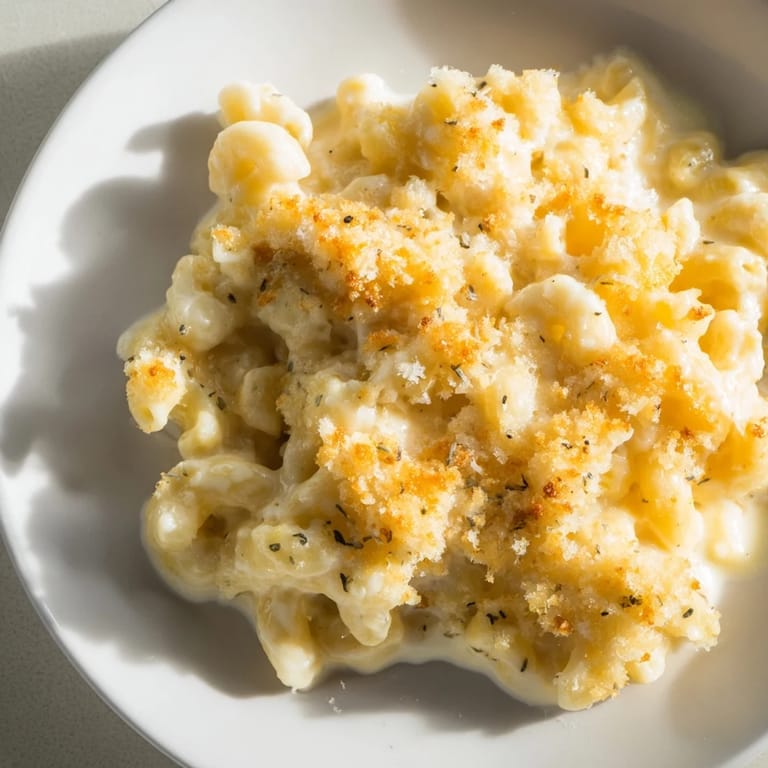
The stovetop version is pure indulgence—creamy, glossy, and ready to eat in minutes. Go this route when you want immediate comfort or you're cooking on a weeknight when oven time feels like a luxury you don't have. The baked version takes a few extra minutes but rewards you with texture contrast: that crispy, buttery breadcrumb topping against the creamy pasta beneath. It's the difference between a cozy sweater and putting on an outfit you actually want to be seen in.
The Three-Cheese Strategy Explained
Sharp cheddar alone would be one-note; Gruyère brings subtle nuttiness and melts like silk; Parmesan adds savory bite and helps the sauce grip the pasta. Together, they're a conversation instead of a monologue. The amounts matter too—you're not drowning in cheese, you're building layers of flavor that unfold as you eat. If you prefer milder cheese, swap the cheddar for aged Monterey Jack or use extra Gruyère, but avoid mild cheddar because it disappears into the sauce and leaves you with nothing but cream.
Variations That Actually Work
Mac and cheese is forgiving if you respect its foundation. Crispy bacon crumbles stirred in at the end add smokiness; sautéed mushrooms bring earthiness; blanched broccoli adds color and nutrition without derailing the comfort. Some people add a pinch more mustard or a splash of hot sauce, which I get—spice can brighten richness. The secret is not adding so much that you're no longer eating mac and cheese; you're eating something else entirely.
- Stir in additions after the pasta is coated so they stay textured instead of dissolving into the sauce.
- If adding raw elements like fresh herbs, save them for garnish rather than cooking them down into the sauce.
- Pair with a crisp green salad to cut the richness, or drink a glass of Chardonnay to let it all harmonize.
 Save to Pinterest
 Mac and cheese asks very little of you except to show up with good ingredients and patience. In return, it gives back comfort, satisfaction, and the quiet joy of knowing you made something truly good.
Recipe Questions & Answers
- → What type of pasta works best?
Elbow macaroni is ideal for even sauce coating and texture, but small pasta shapes like shells or cavatappi also work well.
- → How to make the béchamel sauce smooth?
Whisk continuously while adding warm milk and cream to avoid lumps, cooking until thickened and silky.
- → Can the cheese blend be adjusted?
Yes, swapping Gruyère for Monterey Jack or mozzarella creates a milder flavor, while extra-mature cheddar adds sharpness.
- → Is it better baked or stovetop?
Baking adds a crispy, golden breadcrumb topping, while stovetop yields a luxuriously creamy texture; both are delicious.
- → How to store leftovers?
Cool completely, then refrigerate in an airtight container for up to 3 days; gently reheat with a splash of milk to restore creaminess.