 Save to Pinterest
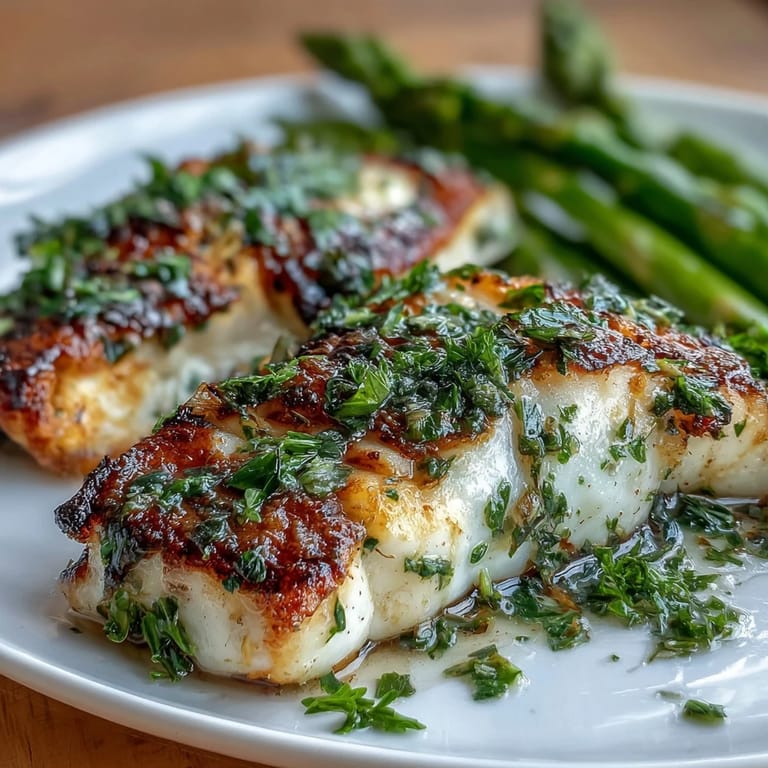
 My kitchen smelled like a Mediterranean coastline the first time I threw together this tilapia dinner on a Tuesday night when I had nothing planned and a fridge that needed clearing. There's something about the combination of fresh lemon and herbs that transforms the simplest white fish into something that tastes intentional, even when you're making it up as you go. My partner walked in mid-prep, caught the aroma, and suddenly we were both invested in what started as a quiet weeknight meal. It turns out the best dinners are sometimes the ones you stumble into rather than plan meticulously.
I made this for my mom once when she was testing a new diet and feeling a bit glum about giving up her favorite indulgences. She sat at the counter watching me brush the herb mixture onto the fillets, and by the time everything hit the plate, she actually smiled. That's when I realized this dish isn't about restriction at all, it's about abundance, the abundance of flavor you can pack into something clean and simple.
Ingredients
- Tilapia fillets (2, about 150 g each): Buy them fresh if you can and pat them completely dry before cooking, this prevents sticking and helps the herb coating adhere beautifully.
- Olive oil (2 teaspoons total): Use a good quality one you actually enjoy tasting, because it's doing real flavor work here, not hiding in the background.
- Fresh lemon juice and zest (1 tablespoon juice, 1 teaspoon zest): Never skip the zest, it's where the concentrated lemon personality lives and makes all the difference between blah and bright.
- Garlic clove (1, minced): Fresh garlic only, dried powder will taste bitter against the delicate fish.
- Fresh parsley and dill (1 tablespoon parsley, 1 teaspoon fresh dill): These herbs are non-negotiable for the flavor profile, though dried dill works in a pinch if that's what you have.
- Salt and black pepper (¼ teaspoon and ⅛ teaspoon): Season generously but deliberately, tasting as you go since fish can taste bland without proper seasoning.
- Asparagus (250 g, trimmed): Look for stalks that are bright green and firm, snap off the woody ends with your hands rather than cutting them, your instinct knows exactly where the line is.
Tired of Takeout? 🥡
Get 10 meals you can make faster than delivery arrives. Seriously.
One email. No spam. Unsubscribe anytime.
Instructions
- Get your oven ready:
- Preheat to 200°C (400°F) and line a baking sheet with parchment paper so your fish won't stick and cleanup will be effortless. This small step is the difference between a beautiful presentation and scraped fish.
- Mix your herb coating:
- In a small bowl, whisk together the olive oil, lemon juice, lemon zest, minced garlic, parsley, dill, salt, and pepper until it's cohesive and fragrant. The mixture should smell like a Mediterranean breeze and make you immediately hungry.
- Prepare and coat the tilapia:
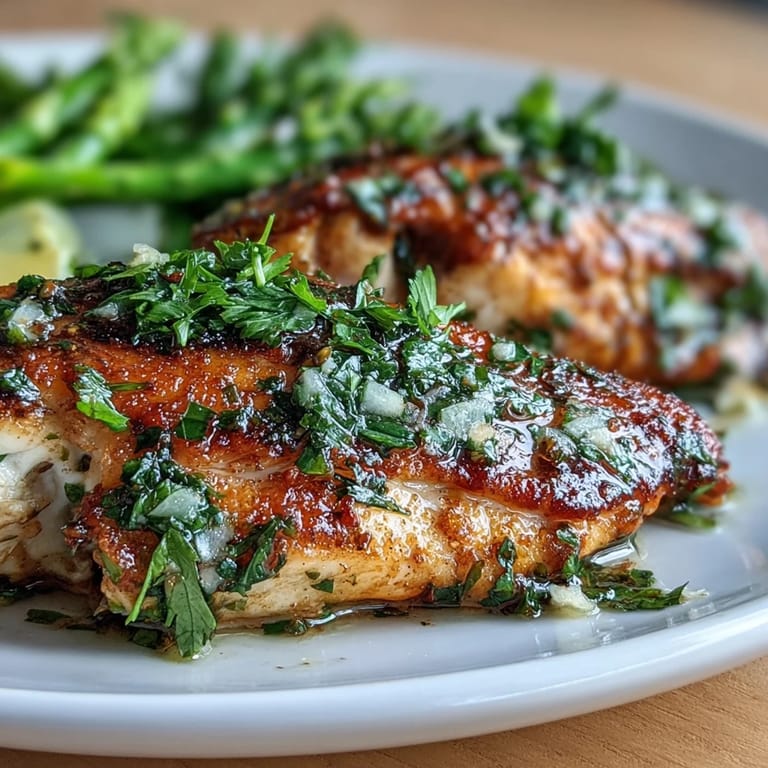
- Pat your tilapia fillets dry with paper towels, lay them on the prepared baking sheet, then generously brush both sides with the herb mixture. Don't be shy here, make sure every surface gets kissed with flavor.
- Bake the fish:
- Slide the baking sheet into the oven and bake for 12 to 15 minutes, checking after 12 by gently pressing the thickest part with a fork. When it flakes easily and looks opaque all the way through, you're done.
- Steam the asparagus:
- While the fish cooks, bring a pot of water to a boil and set a steamer basket on top, add your trimmed asparagus, cover, and steam for 4 to 5 minutes until it's bright green and just tender. You want it to still have a bit of snap when you bite it, not limp.
- Finish the vegetables:
- Remove the steamed asparagus from the basket and toss it gently in a bowl with a teaspoon of olive oil, a pinch of salt, and a crack of black pepper. This simple finish keeps everything tasting fresh rather than utilitarian.
- Plate and serve:
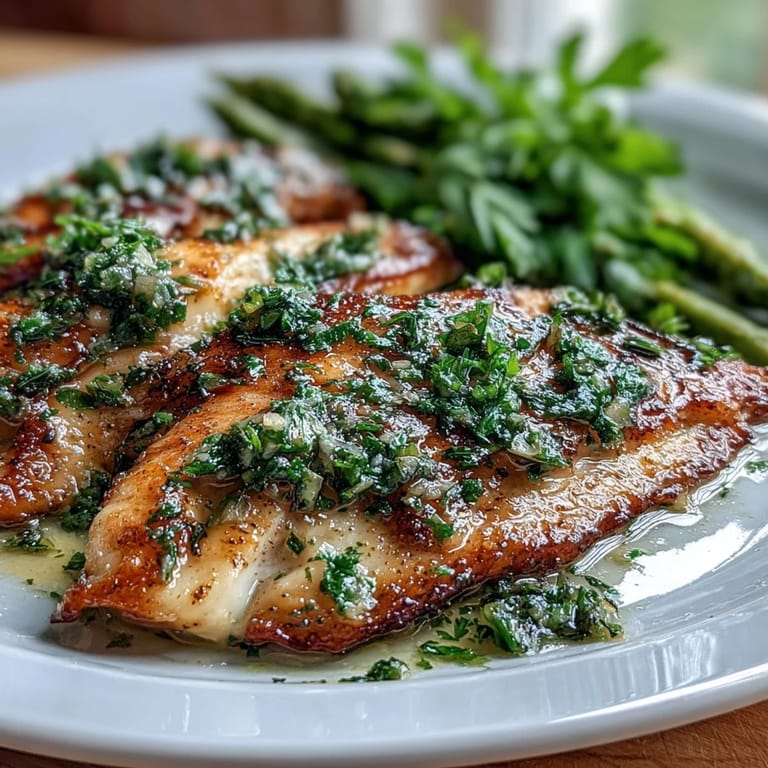
- Arrange a tilapia fillet on each plate alongside the asparagus, squeeze a wedge of fresh lemon over everything, and scatter extra parsley on top if you have it. Serve immediately while everything is still warm.
 Save to Pinterest
 I served this to someone who swore they didn't like fish, and they cleaned their plate without thinking about it. Sometimes the best way to change someone's mind isn't through persuasion, it's through a meal so straightforward and honest that there's nowhere for doubt to hide.
Why This Feels Like a Restaurant Meal at Home
There's an assumption that simple equals boring, but this dish proves that wrong in the best way. The secret is that each component gets its own moment of care, nothing gets rushed or bundled together into a casserole situation. Your tilapia gets a proper herb coat and oven time, your asparagus gets steamed until it's perfect, and they come together on the plate as equals rather than sides and stars. When food tastes this intentional, it feels special regardless of how quickly you made it.
Swaps and Variations That Actually Work
If tilapia doesn't appeal to you, cod and sole are excellent substitutes with similar flaking texture and mild flavor that lets the herbs take center stage. You could also try this preparation with halibut if you're feeling a bit more adventurous, though it's pricier and doesn't really add anything the other fish don't already give you. Green beans steamed alongside the asparagus add visual interest and a slightly different texture, or you could roast everything together if you prefer deeper flavor and a little char.
- Red pepper flakes scattered over the asparagus add unexpected heat without overwhelming the delicate fish.
- A side of quinoa or brown rice turns this from a light dinner into something more substantial if you need that extra staying power.
- Swap fresh dill for fresh tarragon if that's what's in your herb garden, it brings a slightly anise-forward note that pairs beautifully with lemon.
Storage and Make-Ahead Notes
This is best eaten immediately after cooking since fish doesn't reheat gracefully, but you can absolutely prep your herb mixture hours ahead and store it covered in the fridge. Your asparagus can be trimmed the morning of, and having everything prepped means actual cooking time drops to maybe 20 minutes. Leftovers are fine eaten cold the next day if you have them, though I've never had any to save.
 Save to Pinterest
 This meal became a quiet favorite in my rotation because it asks nothing difficult of me and delivers something genuinely nourishing in return. There's real grace in that kind of simplicity.
Recipe Questions & Answers
- → Can I use frozen tilapia instead of fresh?
Yes, frozen tilapia works perfectly. Thaw it completely in the refrigerator overnight or under cold running water before patting dry and applying the marinade.
- → What other vegetables can I substitute for asparagus?
Broccoli florets, green beans, zucchini slices, or Brussels sprouts halved all steam beautifully alongside the fish and complement the lemon-herb flavors.
- → How do I know when the tilapia is done cooking?
The fish is ready when it flakes easily with a fork and appears opaque throughout. The internal temperature should reach 145°F (63°C) for safe consumption.
- → Can I cook this on the stovetop instead?
Absolutely. Pan-sear the tilapia in olive oil over medium-high heat for 3-4 minutes per side. Sauté asparagus in a separate pan with garlic and olive oil.
- → How long will leftovers keep in the refrigerator?
Store cooled portions in an airtight container for up to 2 days. Reheat gently in the microwave at 50% power to prevent the fish from becoming rubbery.
- → Is this suitable for meal prep?
Yes, this dish meal preps well. Cook both components, let cool completely, and store in separate containers. Reassemble when ready to eat for the best texture.