 Save to Pinterest
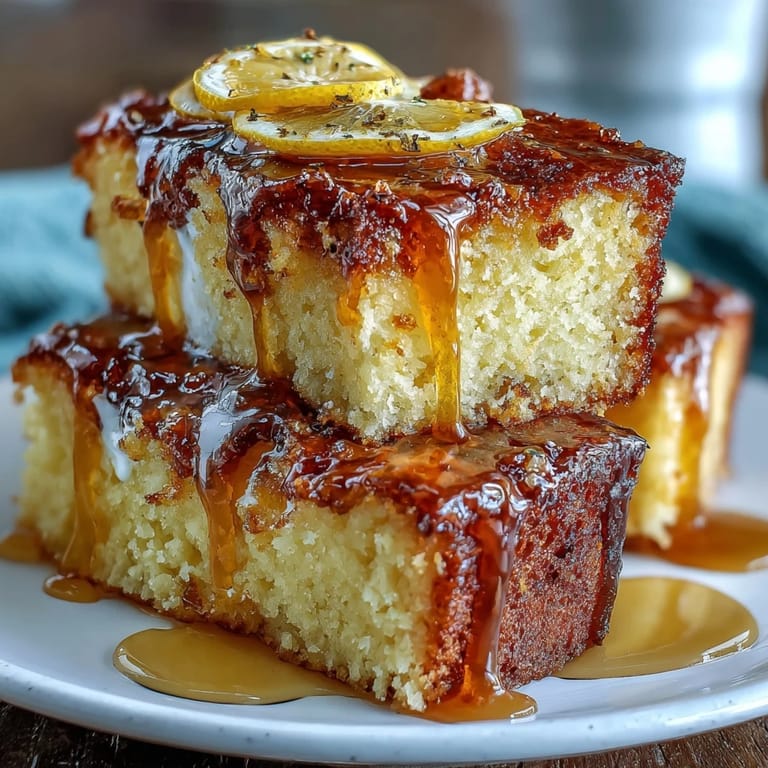
 Last summer, my neighbor showed up at my door with a bottle of homemade limoncello and an expectant smile, insisting I had to do something special with it. I'd never made a pound cake before, honestly—it seemed fussy—but something about the bright yellow liqueur and the way she described it made me want to try. That first attempt was a bit dense, the glaze too runny, but when my family bit into it, the citrus hit differently than anything I'd baked before. It was that golden moment where a happy accident becomes a recipe you can't stop making.
I made this for my book club on a rainy April evening, and one friend literally closed her eyes while eating it and asked how I'd become a pastry chef overnight. It was hilarious because I'd almost skipped the lemon zest on top thinking it was overkill, but that final garnish is what makes people lean in closer to smell it before they even taste it.
Ingredients
- All-purpose flour: Measure by weight if you can, because packed flour can throw off your whole cake—I learned that the hard way with a sunken middle.
- Unsalted butter: Room temperature is non-negotiable here; cold butter won't cream properly and you'll lose that tender crumb.
- Granulated sugar: This is what makes the cake stay moist, so don't cut back thinking you're being virtuous.
- Eggs at room temperature: They incorporate better and create a smoother batter, which means a finer texture in the final cake.
- Limoncello liqueur: This is the star—use a decent quality one because the alcohol cooks off but the flavor stays, and cheap versions taste thin and boozy.
- Fresh lemon juice: Bottled works in a pinch, but fresh juice has this brightness that makes the whole cake come alive.
- Lemon zest: Get a microplane zester if you don't have one; it makes the zest so fine and aromatic instead of chunky.
- Powdered sugar for the glaze: Sift it even if it looks fine, because lumps will show in your glaze and ruin the smooth finish.
Tired of Takeout? 🥡
Get 10 meals you can make faster than delivery arrives. Seriously.
One email. No spam. Unsubscribe anytime.
Instructions
- Prep your pan and preheat:
- Grease the pan thoroughly with butter, dust it with flour, and tap out the excess—this prevents sticking better than any non-stick spray. Start your oven at 350°F while you gather everything so the temperature is steady when you pour the batter in.
- Combine your dry ingredients:
- Whisk the flour, baking powder, and salt together in a bowl and set it aside. This distributes the leavening evenly so you don't get pockets of baking powder in the finished cake.
- Cream butter and sugar until fluffy:
- This takes 3-4 minutes with an electric mixer, and you'll know it's ready when it looks pale and voluminous—like you've whipped air into it. Stop and scrape down the bowl halfway through to make sure everything is incorporated evenly.
- Add eggs one at a time:
- Beat each egg in fully before adding the next, which takes about a minute per egg. If you dump them all in at once, your batter can look curdled and you'll lose volume.
- Mix in the limoncello and wet ingredients:
- Add the limoncello, milk, lemon juice, zest, and vanilla and beat until it's smooth and bright yellow. You should be able to smell the lemon from across the kitchen at this point.
- Fold in the flour gently:
- Add the flour mixture in three additions, mixing on low speed just until you don't see any white streaks. Overmixing develops gluten and makes the cake tough, which defeats the whole purpose of a tender pound cake.
- Pour and smooth the batter:
- Transfer it to your prepared pan and use a spatula to smooth the top gently. If you're using a bundt pan, be extra careful to get batter into the center tube.
- Bake with patience:
- Bake for 50-60 minutes until a toothpick comes out clean—check it at the 50-minute mark because ovens vary wildly. If the top is browning too fast around 40 minutes, tent it loosely with foil to protect it.
- Cool properly:
- Let it cool in the pan for 15 minutes before turning it out onto a rack, because rushing this step can cause the cake to crack. Once it's completely cool, you can make the glaze without it melting.
- Make the glaze and finish:
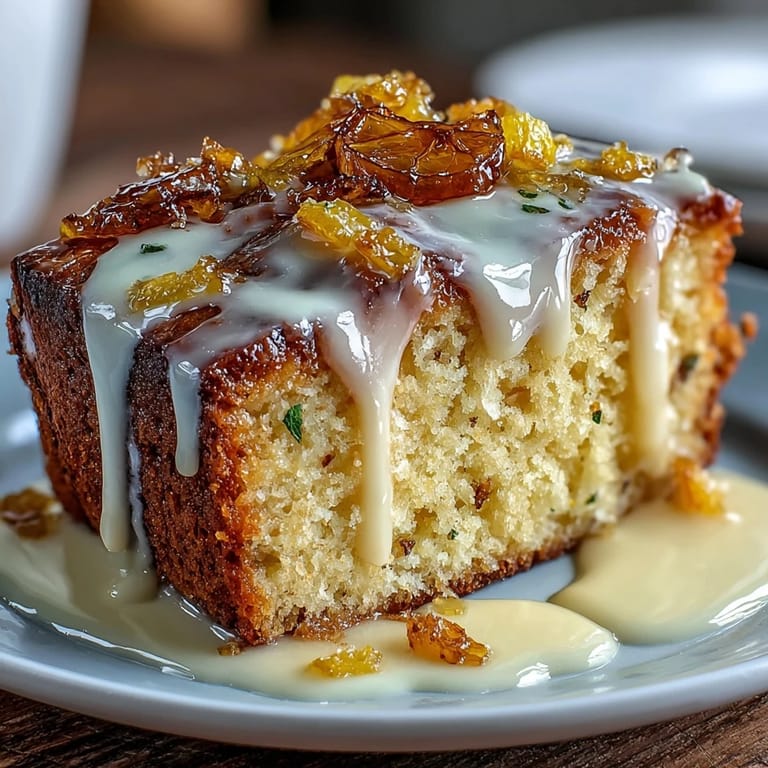
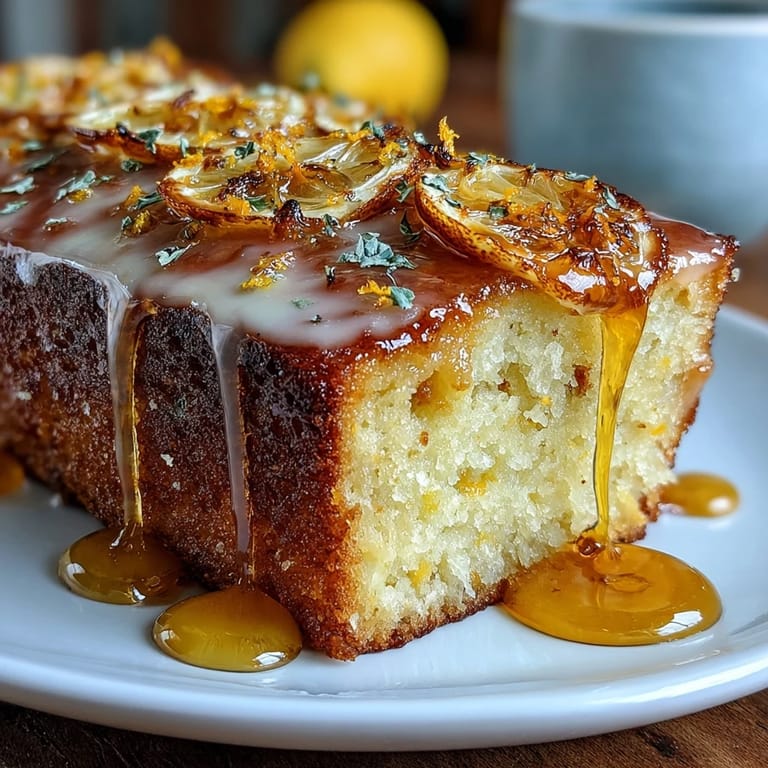
- Whisk powdered sugar with 2 tablespoons of fresh lemon juice until it's smooth, adding more juice by the teaspoon until it drips off a spoon in ribbons. Drizzle it over the cooled cake and immediately sprinkle lemon zest on top so it sticks to the glaze.
 Save to Pinterest
 The magic of this cake is that it tastes elegant and special, but it's honestly more forgiving than you'd think. My teenage nephew asked for the recipe after one slice, which is when I knew this wasn't just a good dessert—it was something that would become a tradition.
Making It Your Own
Once I realized how well the limoncello worked, I started experimenting with the base formula. Orange liqueur swaps in beautifully if you want a different citrus flavor, and honestly, the cake doesn't need the liqueur to be good—just use an extra tablespoon of fresh lemon juice if you prefer to skip the alcohol. Some people brush the baked cake with a little more limoncello before glazing, which intensifies the flavor, but I find the single infusion through the batter is perfect.
Serving and Storage
This cake is incredible with fresh berries on the side, or a simple dollop of whipped cream if you want to push it into dessert territory. It actually tastes better the next day after the flavors settle, so baking it ahead of time is a gift to your future self. Wrapped tightly at room temperature, it stays moist and delicious for three days, though honestly it rarely lasts that long in my house.
Why This Cake Works
Pound cake is called pound cake because it traditionally uses a pound of each ingredient, which creates that dense, rich structure. By keeping that ratio but adding citrus and a touch of liquid, we get all the buttery richness with way more moisture and flavor than the classic version. The limoncello doesn't just taste good—it actually keeps the cake tender because the alcohol content helps prevent it from drying out, which is why this version can sit out longer than you'd expect.
- The glaze should be thick enough to coat a spoon but thin enough to drip lazily—adjust the lemon juice until it's somewhere between paint and honey.
- Zest your lemons before you juice them, because it's nearly impossible to zest a juiced lemon.
- If you're making this for a crowd, you can bake it the day before and glaze it the morning of your event for maximum freshness.
 Save to Pinterest
 This cake became my go-to when I needed to bring something to a gathering without overthinking it. It's the kind of recipe that bridges the gap between homey and impressive, which is honestly all any of us want from our kitchen.
Recipe Questions & Answers
- → How do I prevent the pound cake from drying out?
Ensure not to overbake and check doneness with a toothpick inserted in the center. Using room temperature ingredients helps maintain a moist texture.
- → Can I substitute limoncello with another ingredient?
Yes, orange liqueur and zest can be used for a different citrus twist without losing moisture or flavor balance.
- → What is the best way to apply the lemon glaze?
Drizzle the glaze over the cooled cake evenly and let it set before slicing to achieve a smooth and tangy finish.
- → How can I enhance the limoncello flavor after baking?
Brush the baked cake with a bit of limoncello before applying the glaze to intensify the citrus notes.
- → What are good serving suggestions for this pound cake?
Serve with fresh berries or a dollop of whipped cream to complement the bright lemon and limoncello flavors.