 Save to Pinterest
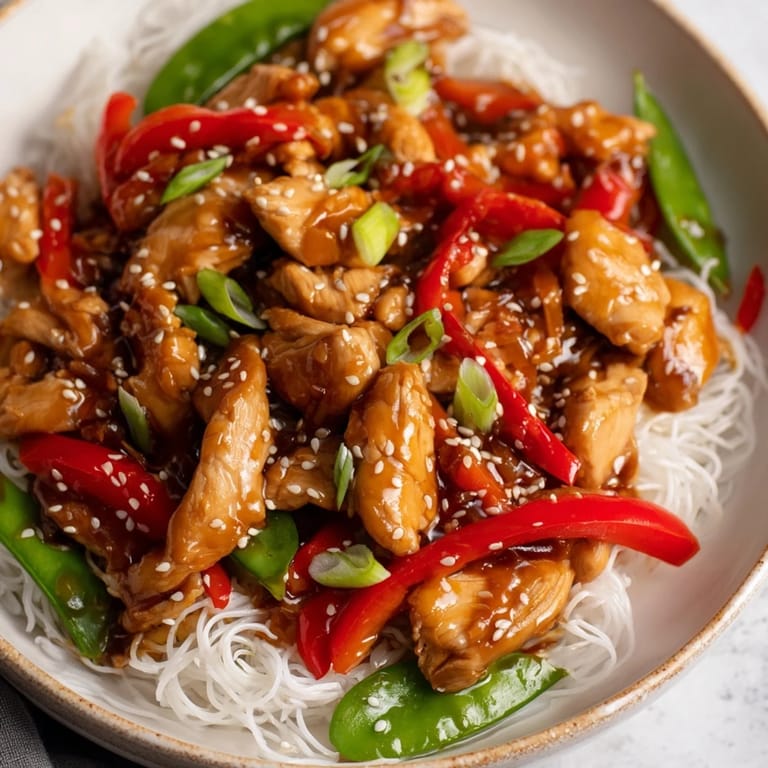
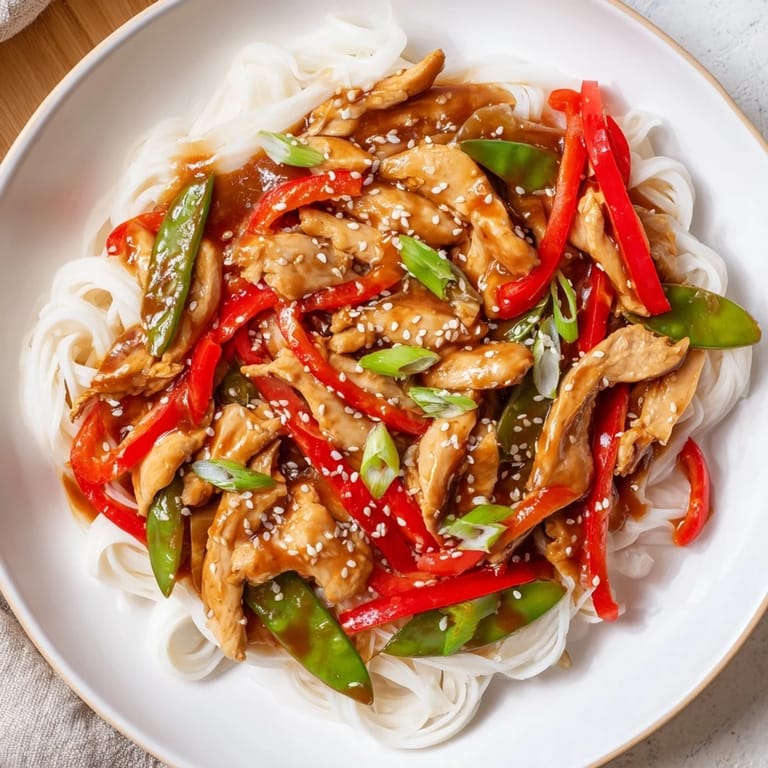
 There's a moment in every home cook's life when you realize that the best meals don't come from fancy restaurants—they come from your own kitchen, late on a weeknight when you're craving something bold and satisfying. This Mongolian chicken landed on my table during one of those nights, when I had chicken thighs, a pantry full of Asian staples, and exactly thirty-five minutes before hunger took over. One taste, and I understood why this dish has become a go-to for so many people chasing restaurant-quality flavor at home.
I made this for friends who were skeptical about my cooking abilities, and watching their faces light up at that first bite was worth every minute of prep work. The chicken stayed tender, the vegetables kept their snap, and somehow the whole thing came together like I'd been making it for years instead of days. That's when I knew this wasn't just a recipe I'd stumbled upon—it was one I'd be making again and again.
Ingredients
- Boneless, skinless chicken thighs or breasts (500 g): Thighs stay juicier under the heat of the wok, but breasts work beautifully too—the key is slicing them thin so they cook evenly in minutes.
- Cornstarch (1 tbsp): This does the quiet magic of creating a silky texture and helping the sauce cling to each piece of chicken.
- Soy sauce (4 tbsp): The backbone of the sauce, bringing umami depth that makes you crave another bite.
- Hoisin sauce (2 tbsp): Sweet, complex, and slightly fermented—it adds richness that plain sugar never could.
- Brown sugar (2 tbsp): Balances the salty and savory with a gentle sweetness that feels natural rather than heavy.
- Rice vinegar (1 tbsp): A splash of brightness that keeps the sauce from tasting one-dimensional.
- Sesame oil (1 tsp): Use sparingly—a little goes a long way, and it transforms the whole dish with its nutty aroma.
- Fresh garlic and ginger (2 cloves and 1 tbsp): Mince these fine so they dissolve into the sauce and perfume every bite.
- Red bell pepper and snap peas: These vegetables stay crisp-tender in minutes, keeping the dish feeling fresh and alive.
- Rice noodles or cooked pasta (200 g): The silky foundation that catches every drop of sauce—I've used leftover spaghetti in a pinch, and it works surprisingly well.
- Toasted sesame seeds (2 tbsp): Scattered at the end, these add a final layer of nuttiness and a satisfying crunch.
Tired of Takeout? 🥡
Get 10 meals you can make faster than delivery arrives. Seriously.
One email. No spam. Unsubscribe anytime.
Instructions
- Start your noodles first:
- If using dried rice noodles, get them cooking according to the package while you prep everything else. This way, by the time you need them, they'll be ready to join the party.
- Coat the chicken:
- Toss your sliced chicken with cornstarch, salt, and pepper in a medium bowl—it seems simple, but this coating is what gives you that silky texture and helps the sauce stick. Don't skip it.
- Build your sauce:
- Whisk soy sauce, hoisin, brown sugar, water, rice vinegar, sesame oil, minced garlic, and ginger together in a small bowl. This is your flavor backbone, and mixing it ahead means no scrambling mid-stir-fry.
- Sear the chicken:
- Heat oil in a large wok or skillet over medium-high heat until it shimmers, then add the chicken in a single layer. Let it sit for a moment before stirring—this golden crust is where the flavor lives. It'll take about four to five minutes until the chicken is cooked through and golden.
- Stir-fry the vegetables:
- Once the chicken is out of the pan, add the remaining oil and quickly cook the bell pepper and snap peas, keeping them just tender with a slight crunch. Two to three minutes is all you need.
- Bring it all together:
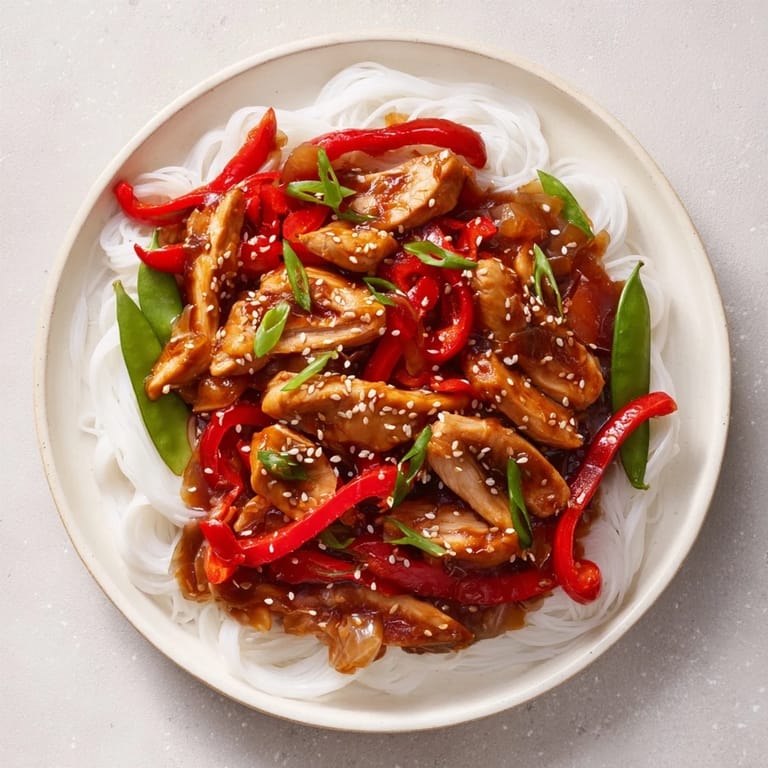
- Return the chicken to the pan, add the spring onions, and pour in that beautiful sauce you made. Stir everything to coat, then let it simmer for a minute or two while the sauce thickens slightly and everything gets to know each other.
- Finish with noodles:
- Add the drained noodles and toss gently but thoroughly until everything is glossy and heated through. This is the moment when it stops being separate ingredients and becomes a complete dish.
 Save to Pinterest
 This dish became my confidence builder in the kitchen, the meal I made when I wanted to prove to myself that I could handle a wok, balance flavors, and feed people something they'd actually ask for again. It's more than just dinner; it's the moment you realize cooking isn't as complicated as you thought it was.
The Art of the Stir-Fry
The magic of stir-frying isn't speed or complicated technique—it's about having everything prepped and ready before the heat comes on. I learned this the hard way, scrambling to slice vegetables while the pan sizzled and the chicken started to stick. Now I keep a simple rule: once the oil starts shimmering, you should be able to keep your hands free and focused on the tossing and tasting.
Making It Your Own
This recipe is a template waiting for your preferences. I've made it with shrimp when I wanted something lighter, with tofu for a vegetarian night, and even with leftover roasted turkey the day after Thanksgiving. Each time, the sauce adjusted gracefully, the vegetables cooked in the same rhythm, and dinner still felt like a small victory. The beauty of a good stir-fry is that it trusts you to know what you like.
Timing and Temperature
The entire cook from raw chicken to plated dish happens in under twenty minutes, but only if your heat stays medium-high and your ingredients are ready. I used to think high heat was the way to go, but medium-high gives you just enough control to watch the chicken turn golden without burning the edges. Temperature consistency is what separates a rushed meal from one that tastes intentional.
- Keep your oil hot enough that it shimmers before the chicken hits the pan, but not so hot that it smokes.
- Add vegetables after the chicken is out so they stay bright and crisp instead of turning soft and gray.
- Taste the sauce as you go—if it's too sweet, add a splash of rice vinegar; too salty, add a touch of water and a pinch of sugar.
 Save to Pinterest
 This Mongolian chicken is proof that restaurant meals don't require restaurant equipment or restaurant expertise. Make it once, and you'll have a weeknight rescue recipe that keeps giving, meal after meal.