 Save to Pinterest
 I discovered teriyaki chicken rice on a Tuesday when my meal prep plans collided with reality—I had three days of long work shifts staring at me and a kitchen that suddenly felt like my only refuge. The kitchen smelled like possibility, and I remembered my grandmother mentioning how the best meals are the ones you build for yourself, not the ones you rush through. That evening, I layered together chicken, sauce, and rice, and by the end of the week, I was actually looking forward to lunch instead of dreading it.
My friend Maya came over last month and ate this straight from a container while standing at my counter, and she didn't even pretend to plate it properly—that's when I knew the recipe was working. We talked about meal prep like it was a superpower, how these little containers represented permission to actually eat well even when life got hectic. She asked for the recipe before she left, and I realized this dish had somehow become one of those things people ask for.
Ingredients
- Chicken thighs (600 g): They stay tender and juicy even after sitting in containers for days, unlike chicken breast which can dry out if you look at it wrong.
- Soy sauce (80 ml): Low-sodium is non-negotiable here because the mirin and honey add their own sweetness and you don't want the salt to overpower.
- Mirin (60 ml): This sweet rice wine is the secret that makes the sauce glossy and gives it depth—don't skip it or use regular sugar as a swap.
- Honey or maple syrup (2 tbsp): Either one works, but honey glazes more evenly in my experience.
- Rice vinegar (1 tbsp): A tiny bit of acid keeps the sauce from being one-dimensional and cuts through the richness beautifully.
- Cornstarch (1 tbsp): This is what makes the sauce cling to the chicken instead of pooling at the bottom—it's the difference between a meal and a disappointment.
- Fresh garlic and ginger: Minced fine so they distribute evenly and you get that aromatic hit in every bite.
- Jasmine or short-grain rice (250 g): Jasmine is more forgiving if you forget about it for a minute, and it stays fluffy when reheated.
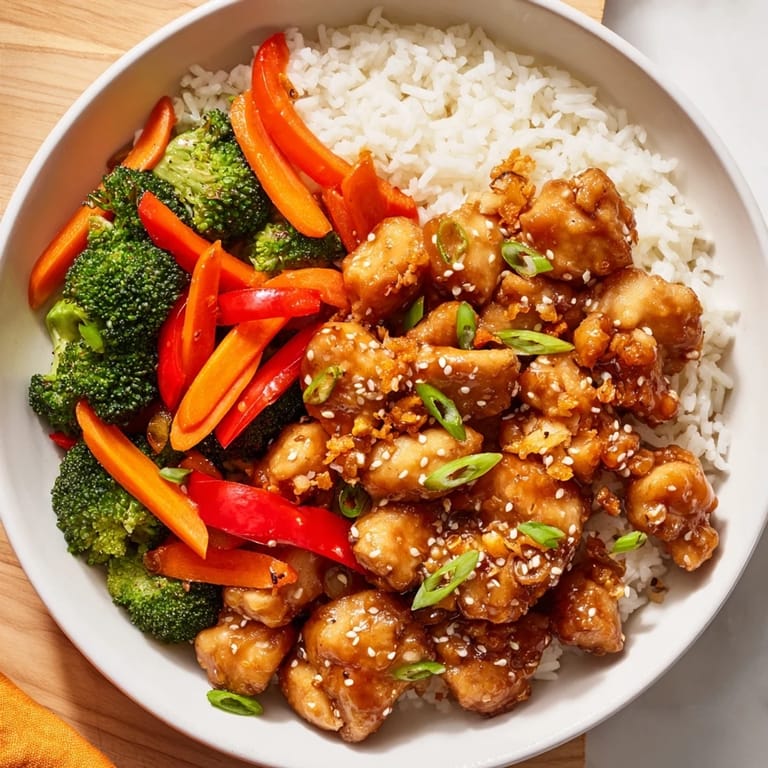
- Vegetables (broccoli, carrots, bell pepper): Cut them consistently so they cook evenly, and blanch them just until tender because they'll soften slightly as the containers sit.
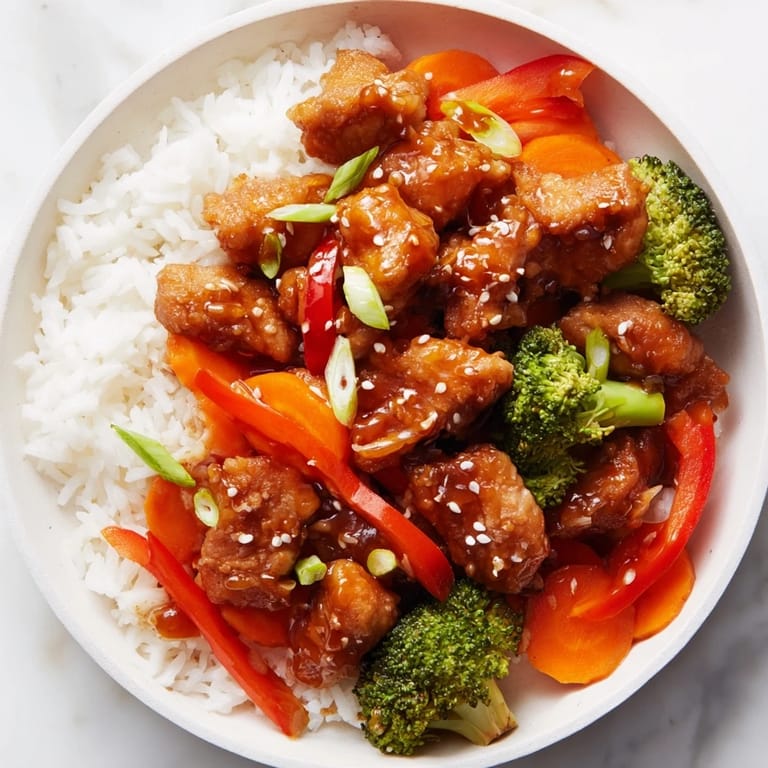
- Sesame seeds and spring onions: These are optional garnishes but they add texture and brightness that makes you actually excited to open the container.
Tired of Takeout? 🥡
Get 10 meals you can make faster than delivery arrives. Seriously.
One email. No spam. Unsubscribe anytime.
Instructions
- Prepare the rice:
- Rinse the rice until the water runs clear—this removes the excess starch so it doesn't turn into porridge. Combine with water, bring to a boil, cover, and simmer for 12 to 15 minutes, then let it rest covered for 5 minutes so the grains firm up and stay separate.
- Cook the vegetables:
- While rice steams, blanch or steam your broccoli, carrots, and bell pepper for just 3 to 4 minutes until they're tender but still have a slight firmness. This matters because they'll soften as they sit in containers with the warm sauce.
- Mix the teriyaki sauce:
- Whisk together soy sauce, mirin, honey, rice vinegar, cornstarch, water, garlic, and ginger in a small bowl. The cornstarch suspends in the liquid and won't fully dissolve until it hits the heat, which is exactly what you want.
- Cook the chicken:
- Heat oil in a large skillet over medium-high heat, season chicken with salt and pepper, and cook for 5 to 6 minutes until golden and cooked through. You'll know it's done when there's no resistance when you cut into a piece.
- Build the glaze:
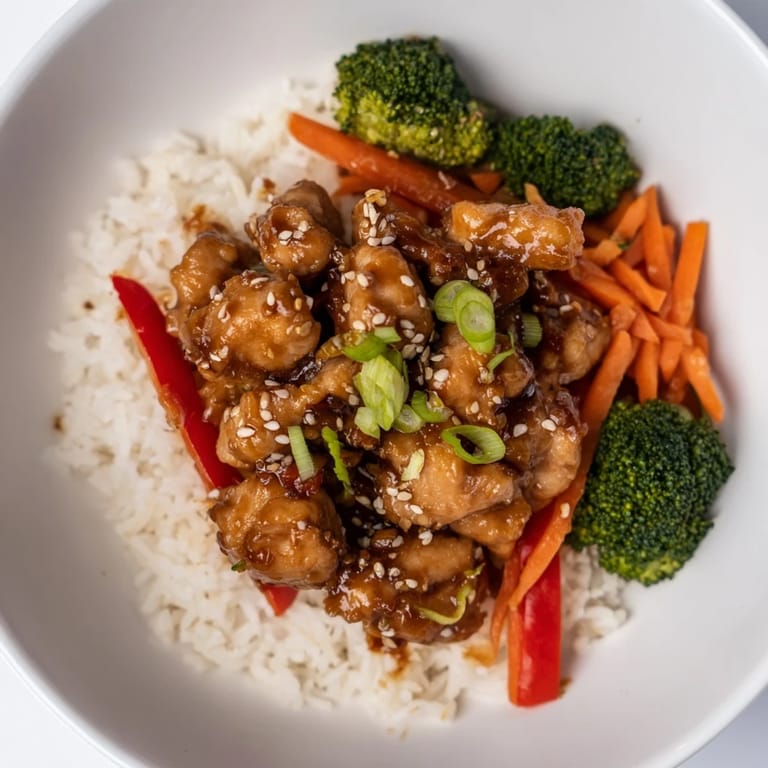
- Pour the teriyaki sauce over the chicken and stir constantly for 2 to 3 minutes until it thickens and coats each piece. Watch for the moment when the sauce goes from liquid to glossy—that's when you know it's perfect.
- Assemble containers:
- Divide rice among four containers, top with teriyaki chicken, then vegetables, then sesame seeds and spring onions if you're using them. The order matters because it keeps the rice from getting soggy under the wet sauce.
- Store and reheat:
- Let containers cool completely before sealing and refrigerating for up to 4 days. When you're ready to eat, microwave for 90 seconds or warm gently on the stovetop.
 Save to Pinterest
 There's a moment when you open a container four days later and the smell hits you exactly like it did on the day you made it—that's when you know this recipe is doing something right. It became the meal I made when I needed proof that I could take care of myself, which is maybe more important than it sounds.
Making This Your Own
The beauty of this recipe is how willing it is to bend to what you have in your fridge. I've made it with snap peas instead of broccoli when broccoli felt boring, and with chicken breast on nights when I forgot to grab thighs. My vegetarian friend swears by the tofu version, saying the teriyaki sauce actually tastes better clinging to something that soaks it up like a sponge.
Understanding the Sauce
The teriyaki sauce is four things working together: sweetness from mirin and honey, saltiness from soy, brightness from vinegar, and the magic of cornstarch turning everything into a gloss. If you've ever eaten teriyaki that tasted one-dimensional, something was out of balance. The soy should whisper, not shout, and the sweetness should feel sophisticated rather than like dessert.
Making It Through the Week
Meal prep is only worth doing if the food is actually good on day four, and this recipe has passed that test more times than I can count. The rice doesn't harden, the chicken doesn't dry out, and the vegetables stay tender without turning to mush. The containers have become less about efficiency and more about kindness to myself—opening the fridge and finding exactly what I need is a small luxury that compounds over the week.
- If you're eating this at your desk and don't have access to a microwave, it's still delicious at room temperature, though heating it for 90 seconds makes it sing.
- Double the sauce recipe if you like yours extra glossy and rich—leftovers keep and can rescue a sad bowl of rice later in the week.
- The garnishes matter less on day one and more on day four, so save the sesame seeds and spring onions if you can and add them when you eat rather than packing them in.
 Save to Pinterest
 This meal became my answer to the question of how to eat well when life is busy, and I think that's what a good recipe really is—not just instructions, but permission to take care of yourself. Everything that went into learning to make it right was worth it.
Recipe Questions & Answers
- → What type of rice works best with teriyaki chicken?
Jasmine or short-grain rice is ideal for its fluffy texture that complements the savory glaze.
- → How can I make the chicken more tender?
Using boneless, skinless chicken thighs and cooking them just until golden helps retain juiciness and tenderness.
- → Can the vegetables be substituted?
Yes, vegetables like snap peas or edamame can be used for added crunch and protein.
- → How thick should the teriyaki sauce be?
The sauce should thicken enough to coat the chicken evenly without being too sticky or watery.
- → Is there a gluten-free alternative to soy sauce?
Tamari is a great gluten-free substitute that maintains the savory depth of flavor.
- → What garnishes enhance this dish?
Toasted sesame seeds and sliced spring onions add both texture and a fresh finish.